What does palmette mean?
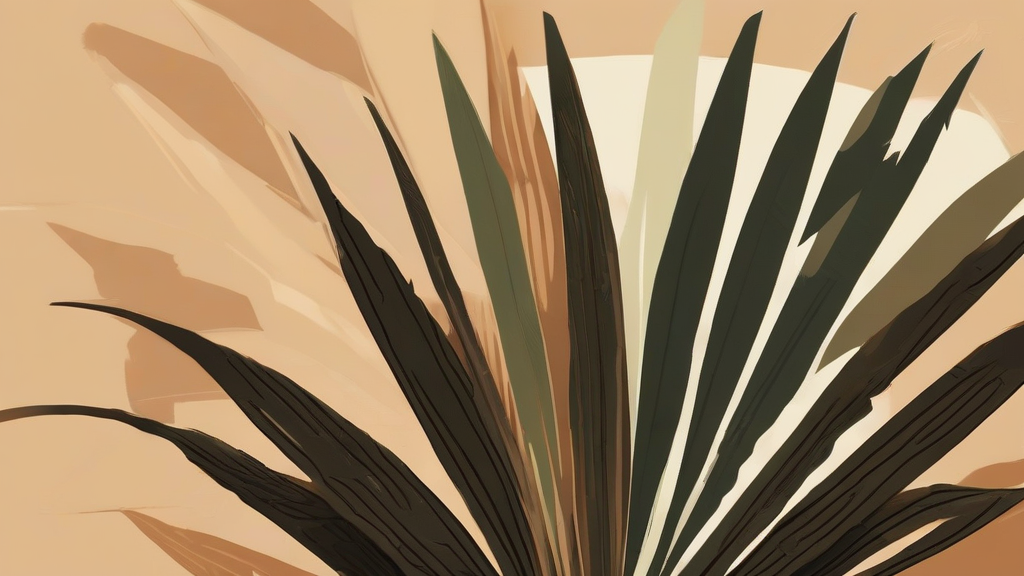
A palmette is a stylized palm leaf motif used in decorative arts and architecture. It originated in ancient Greece and Rome, where it was used to adorn temples, friezes, and other structures. The palmette is characterized by its symmetrical, curved shape, resembling a palm leaf. It has been revived in various styles throughout history, including neoclassicism and art nouveau. The palmette remains a popular design element in art, architecture, and interior design, appreciated for its elegance and historical significance.
nounA palmette is a decorative motif in the form of a stylized palm leaf, often used in architecture and art. It can also refer to a type of architectural ornamentation.
- A decorative motif in the form of a stylized palm leaf
- A type of architectural ornamentation
"The ancient Greek temple featured intricate palmettes carved into its frieze."
"The interior designer chose a palmette pattern for the wallpaper."
"The museum exhibit featured ancient artifacts with palmette designs."
The plural form 'palmettes' is used to refer to multiple decorative motifs or ornaments.
"The interior designer chose a pattern featuring multiple palmettes for the wallpaper."
Reviewed by Deb Chak, Editor. AI-assisted content curated by RJS Tech Solutions LLP.
Etymology of palmette
The word 'palmette' originates from the French word 'palmette', which is derived from 'palme', meaning 'palm tree'. The term has been used in English since the 18th century to describe this specific type of decorative motif. The palmette itself has a long history, dating back to ancient Greece and Rome, where it was used in architectural ornamentation.
How palmette is actually used
The term 'palmette' is often used in formal or technical contexts, such as art history or architecture.