
What does paludine mean?
Paludine is a rare English word with two closely related uses. As an adjective, it means living or growing in marshes, so paludine species are organisms associated with wet, marshy habitats. As a noun, a paludine is a butterfly belonging to the family Nymphalidae, a large family that includes admirals, fritillaries, and many other familiar butterflies. The word is most likely to appear in specialist zoology, ecology, or habitat descriptions rather than everyday speech. Its vocabulary relatives include paludal, palustrine, and paludicolous, all of which similarly refer to marsh environments. Paludine is especially useful when precision matters: unlike the broader words marsh or wetland, it can describe either an organism inhabiting a marsh or a member of a particular butterfly family. Both its rarity and its history link it closely to formal descriptions of natural environments.
Living or growing in marshes; marsh-dwelling.
"The marsh supports a surprising variety of paludine plants and insects."
Chiefly used in specialist ecological and natural-history writing.
A butterfly belonging to the family Nymphalidae.
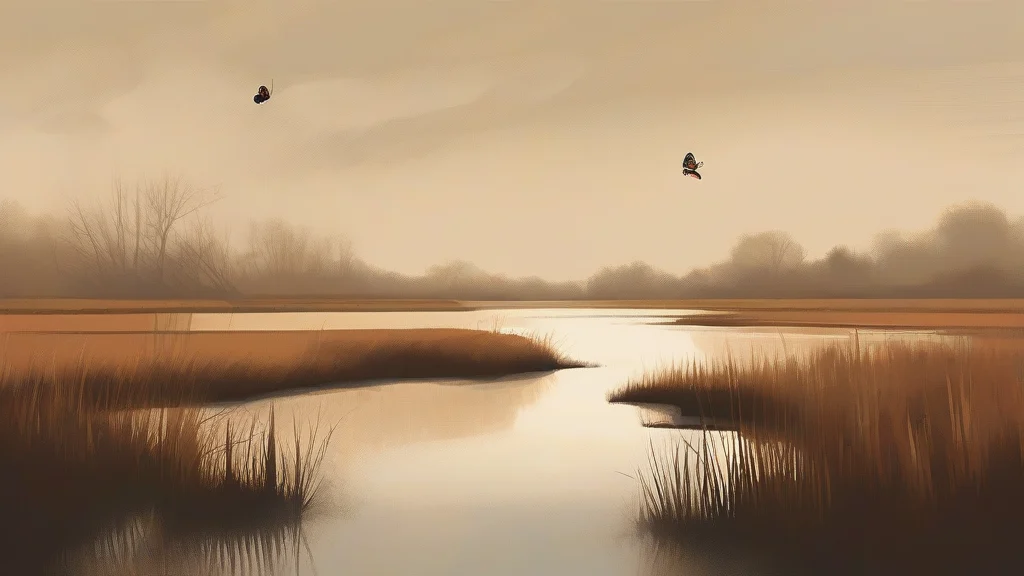
"The naturalist photographed a rare paludine near the reeds."
This zoological sense is uncommon outside specialist literature.
The plural applies only to the noun; the adjective is not pluralized.
"Several paludines were observed flying over the marsh."
Paludine traces its name to the Latin word for a marsh, fittingly linking marsh habitats with a distinctive group of butterflies.
Reviewed by Deb Chak, Editor. AI-assisted content curated by RJS Tech Solutions LLP.
Etymology of paludine
The word derives from Latin palus, meaning “marsh,” and paludis, its genitive form. Latin-derived English words such as paludal, palustrine, and paludicolous share this origin. The zoological sense developed through the taxonomic use of paludine for a group of butterflies associated with marsh-dwelling members of Nymphalidae.
How paludine is actually used
This is a rare word used chiefly in zoological, ecological, and specialist natural-history writing. The adjective is not commonly used in general conversation.