
What does panda mean?
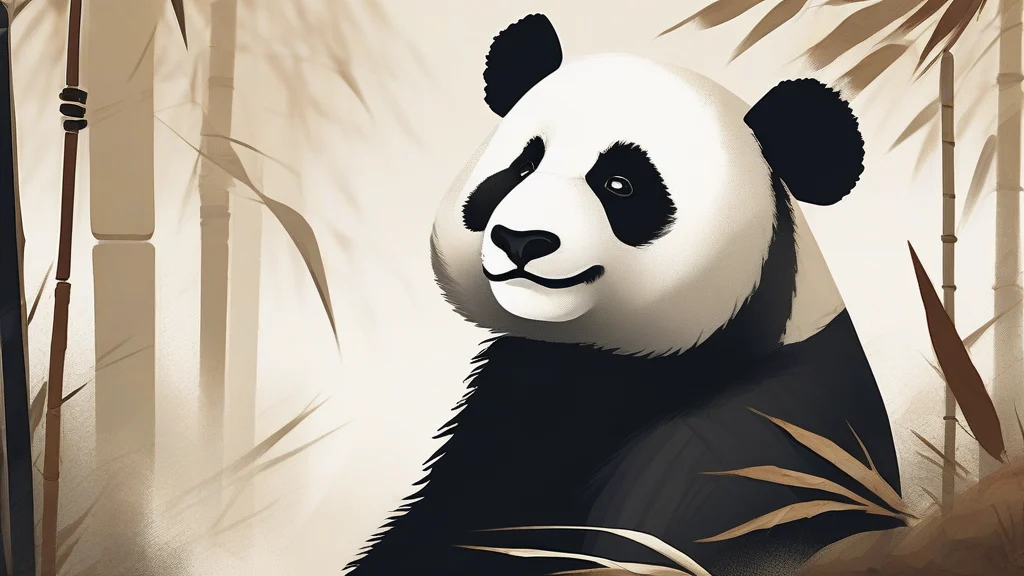
A panda is a bear, most commonly the giant panda, the distinctive black-and-white bear native to China. The word can also refer to the red panda, a separate and much smaller mammal with reddish fur and a long, ringed tail. “Giant panda” is the usual unambiguous term when the black-and-white animal is intended. The giant panda is a highly recognizable conservation symbol, but its population remains limited and it is classified as vulnerable. Despite its association with bamboo, it belongs to the order Carnivora and retains the digestive anatomy of its carnivorous ancestors. The term is also widely used in cultural references, branding, and public conservation campaigns, so its meaning often carries associations of rarity, wildlife protection, and distinctive appearance.
nounA large bear native to central and southern China, usually black-and-white, with a distinctive pale face and dark eye patches. The term can also refer to the red panda, a smaller, reddish mammal of the family Ailuridae.
- A large bear, the giant panda, native to China and characterized by black-and-white markings.
- A red panda, a smaller reddish mammal with a long, ringed tail, native to the Himalayas and adjacent areas.
"The giant panda is a symbol of wildlife conservation, although it remains a vulnerable species."
"A panda sat quietly beneath the bamboo while visitors watched from a distance."
"The zoological team studied the red panda during its retreat in the mountains."
The standard plural is “pandas,” with no additional ending.
"The conservationists monitored the pandas in the mountain reserve."
Despite its iconic black-and-white appearance, the giant panda is a member of the bear family and has a diet that is overwhelmingly made of bamboo.
Reviewed by Deb Chak, Editor. AI-assisted content curated by RJS Tech Solutions LLP.
Where does panda come from?
The English word entered use in the 19th century, borrowed from French panda. The name is associated with regional names for the animal in Himalayan and Central Asian languages, but the exact source and the historical path of its development are not fully certain. English usage initially applied to the giant panda, while the separate meaning for the red panda became established later.
How panda is actually used
In modern English, “panda” most often means the giant panda. “Red panda” refers to a separate species and should not be confused with the giant panda.
Easily confused with panda
A panda is a bear, while to pander means to flatter someone or cater to their wishes for self-serving reasons.