What does pantile mean?
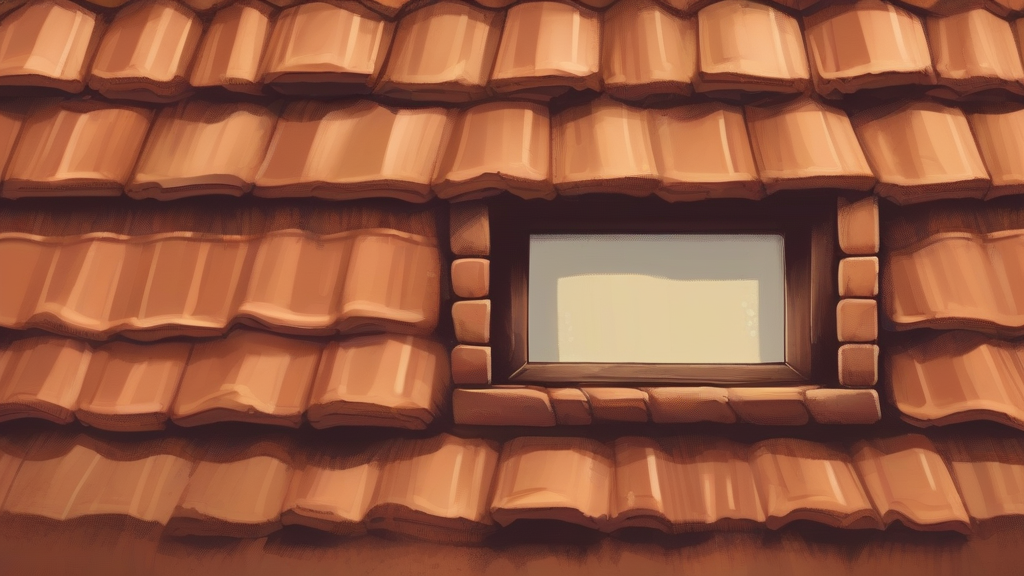
A pantile is a type of roof tile that is flat and rectangular in shape, often made of clay or concrete. It is commonly used in traditional or rustic architecture, and is often associated with old or historic buildings. The term pantile is often used in formal or descriptive writing to evoke a sense of tradition or rustic charm. In modern contexts, pantile roofs are often designed to resemble traditional tiles, but may be made of more durable materials. The use of pantile in architecture is a nod to the past, and is often used to create a sense of continuity with traditional building styles. While pantile roofs may be more expensive or difficult to maintain than other types of roofing, they are prized for their unique aesthetic appeal and historical significance. As a result, pantile remains a popular choice for architects and builders looking to create a sense of tradition or character in their designs.
A type of roof tile.
"The old cottage had a pantile roof that was weathered to a soft, silvery grey."
Pantile is often used in formal or descriptive writing to evoke a sense of tradition or rustic charm.
A flat, rectangular tile, often made of clay or concrete.
"The new house had a modern pantile roof that was designed to resemble traditional tiles."
Pantile is typically used as a singular noun, but the plural form pantiles is also acceptable in certain contexts.
"The old cottage had a pantile roof, but the new house had pantiles that were designed to resemble traditional tiles."
Reviewed by Deb Chak, Editor. AI-assisted content curated by RJS Tech Solutions LLP.
Etymology of pantile
The word pantile is derived from the Old French word 'pantile', which is itself derived from the Latin word 'panis', meaning 'bread'. This refers to the flat, rectangular shape of the tile, which resembles a slice of bread. The term pantile has been in use since the 14th century, and has been used to describe a variety of types of roof tiles over the years.
How pantile is actually used
Pantile is often used in formal or descriptive writing to evoke a sense of tradition or rustic charm. It is commonly used in architectural or historical contexts.