
What does papistry mean?
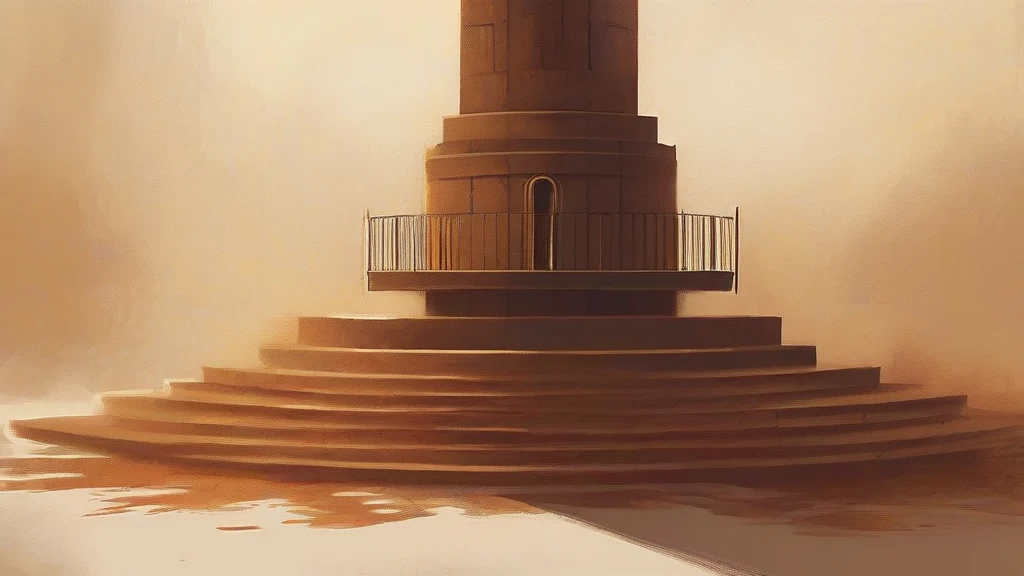
Papistry is the art of painting in imitation of ancient Egyptian papyrus manuscripts. Rather than using actual papyrus, artists often worked on other materials and reproduced the characteristic warm brown and cream palette, faded pigments, irregular edges, and worn or damaged appearance of antique documents. The style became especially associated with nineteenth-century interest in Egypt, archaeology, and Greco-Roman culture, and it could be used for portraits, landscapes, and decorative panels. A painting described as papistry therefore imitates the appearance and visual character of an old manuscript rather than simply depicting a subject associated with antiquity. Today the term is uncommon, but it remains useful in art history for identifying a deliberately simulated antique effect.
nounA decorative art in which paintings imitate the appearance of manuscripts written on ancient Egyptian papyrus, typically using warm, muted tones and irregular or worn-looking edges.
- The art or technique of painting in imitation of papyrus manuscripts.
"The artist specialized in papistry, producing richly colored scenes that evoked the faded documents of Roman Egypt."
"A collection of papistry landscapes was displayed at the exhibition."
"Her interest in antiquities inspired her to experiment with papistry."
The plural is rare and normally used when referring to several works, styles, or examples of papistry.
"The gallery houses several finely detailed papistries."
Papistry brought the look of buried Egyptian manuscripts into Victorian drawing rooms through paintings made to look startlingly old.
Reviewed by Deb Chak, Editor. AI-assisted content curated by RJS Tech Solutions LLP.
Where does papistry come from?
Papistry was formed from papyrus and the suffix -istry, reflecting its association with imitation of papyrus manuscripts. The root papyrus comes through Latin from Greek papyros, meaning the plant used to make writing material and the paper-like sheets made from its strips. The technique developed from the long-standing European fascination with Egyptian and classical antiquities, particularly during periods when travel, archaeology, and the collection of Egyptian objects made ancient manuscripts widely visible.
How papistry is actually used
This is a rare historical and artistic term, chiefly associated with nineteenth-century painting and decorative work. It is not normally used for the practice of writing on genuine papyrus.