
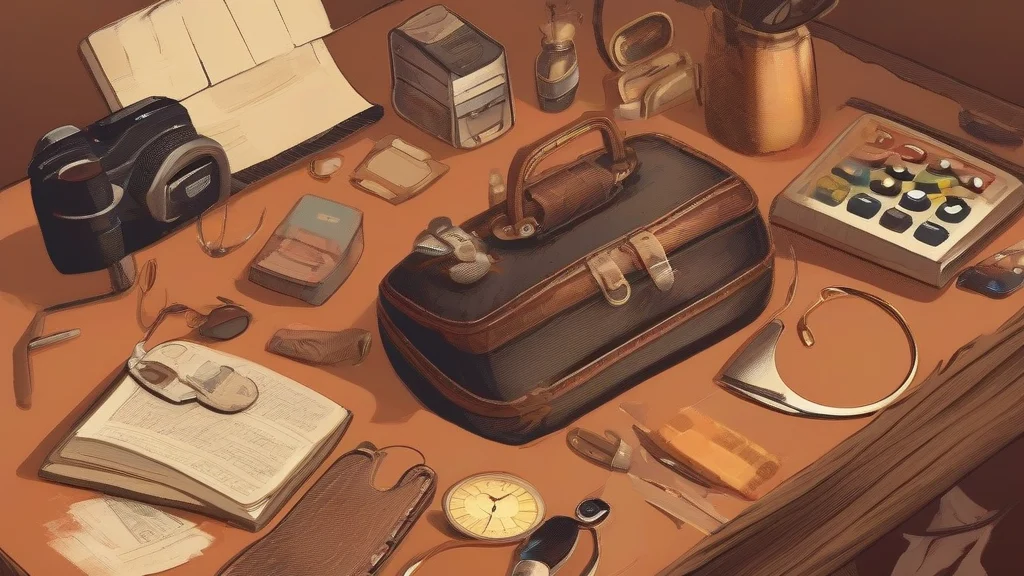
What does paraphernalia mean?
Paraphernalia is a collective noun for clothes, accessories, equipment, and other belongings associated with someone or a particular activity. It is especially common in expressions such as “camping paraphernalia,” “fishing paraphernalia,” and “toilet paraphernalia,” where the exact items need not be listed because the word gathers them under one broad label. Although the plural form is standard, the word can also be used in the singular without changing its meaning. The term may imply a sizable or miscellaneous assortment, and it can sometimes suggest clutter or an excessive amount of equipment. Historically, paraphernalia had a precise legal meaning: property that a married woman could hold independently of her husband, particularly clothing, jewellery, and personal ornaments. That specialized sense is now chiefly historical, while the general sense covers the practical objects and personal effects associated with a person or undertaking.
nounClothes, equipment, accessories, or other items associated with a person, activity, or purpose. The word often has a collective sense and may suggest an array of miscellaneous belongings.
- Clothes, equipment, accessories, or other items associated with a person, activity, or purpose.
- Personal belongings or effects collectively.
- In historical law, property a married woman could possess and dispose of independently of her husband, especially clothing, ornaments, and articles of personal use.
"They packed all their camping paraphernalia before setting off for the weekend."
"The shop sells every kind of photographic paraphernalia, from lenses to camera bags."
"After clearing out the cupboards, she found years of sentimental paraphernalia in the attic."
The standard form is plural in appearance and meaning, though established usage also permits it in the singular.
"The researchers carefully documented all the laboratory paraphernalia before moving equipment."
Once, a wife's paraphernalia were possessions she could legally own independently of her husband; the word now usually means an assortment of equipment or personal effects.
Reviewed by Deb Chak, Editor. AI-assisted content curated by RJS Tech Solutions LLP.
Where does paraphernalia come from?
The word comes from Greek paraphernalia, a neuter plural term associated with articles brought alongside a bride and ultimately with property a wife could possess independently. Its Greek formation is generally traced to para-, meaning “beside,” and pherein, meaning “to carry.” In English, the legal sense appeared in the late 16th century; the broader modern sense for equipment and personal effects developed later.
How paraphernalia is actually used
The word is normally used in the plural, although singular use is also established. In modern usage it often denotes a miscellaneous collection of items and can sound mildly dismissive when it suggests clutter or unnecessary accessories.