What does parasympathetic mean?
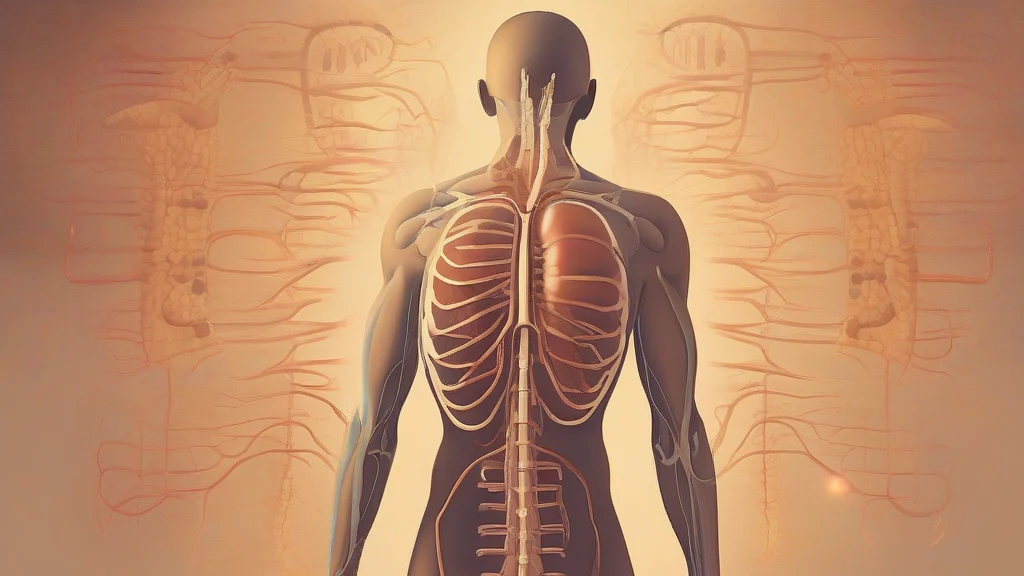
The parasympathetic nervous system is a part of the autonomic nervous system that promotes the body's 'rest and digest' functions. It helps to calm the body's stress response, promote digestion, and slow down the heart rate. The parasympathetic nervous system is often contrasted with the sympathetic nervous system, which promotes the body's 'fight or flight' response. The parasympathetic nervous system is responsible for promoting relaxation and reducing stress. It is an important part of the body's autonomic nervous system, which helps to regulate various bodily functions. The parasympathetic nervous system is often studied in the context of stress management and relaxation techniques.
adjectiveRelating to the part of the autonomic nervous system that promotes the body's 'rest and digest' functions, such as reducing heart rate and promoting digestion.
- Relating to the part of the autonomic nervous system that promotes the body's 'rest and digest' functions.
"The parasympathetic nervous system helps to calm the body's stress response."
"The parasympathetic nervous system helps to calm the body's stress response."
"The parasympathetic nervous system is responsible for promoting digestion."
Reviewed by Deb Chak, Editor. AI-assisted content curated by RJS Tech Solutions LLP.
Etymology of parasympathetic
The term 'parasympathetic' was first used in the late 19th century to describe the part of the autonomic nervous system that promotes the body's 'rest and digest' functions. It is derived from the Greek words 'para' meaning 'beside' and 'sympathetic' meaning 'feeling with'. The parasympathetic nervous system is closely related to the autonomic nervous system, which is responsible for regulating various bodily functions such as heart rate, digestion, and respiration.
How parasympathetic is actually used
The parasympathetic nervous system is often contrasted with the sympathetic nervous system, which promotes the body's 'fight or flight' response.