What does paries mean?
The term paries is a noun used in anatomy to describe a wall or partition, especially one that forms the boundary of an organ or a cavity. It is often used to refer to the layers or structures that make up the boundary of the abdominal cavity or the heart. The paries can be composed of various tissues, including muscle, fascia, and epithelial layers. Understanding the structure and function of the paries is essential for comprehending the organization and function of the body's systems. The term is used in medical and scientific contexts to provide precise descriptions of anatomical structures.
nounThe paries refers to a wall or partition, especially in the context of the abdominal cavity or the heart. It is often used to describe the layers or structures that form the boundary of an organ or a cavity.
- Anatomical wall or partition
- Layer forming boundary of an organ or cavity
"The paries of the abdominal cavity is composed of several layers of muscle and fascia."
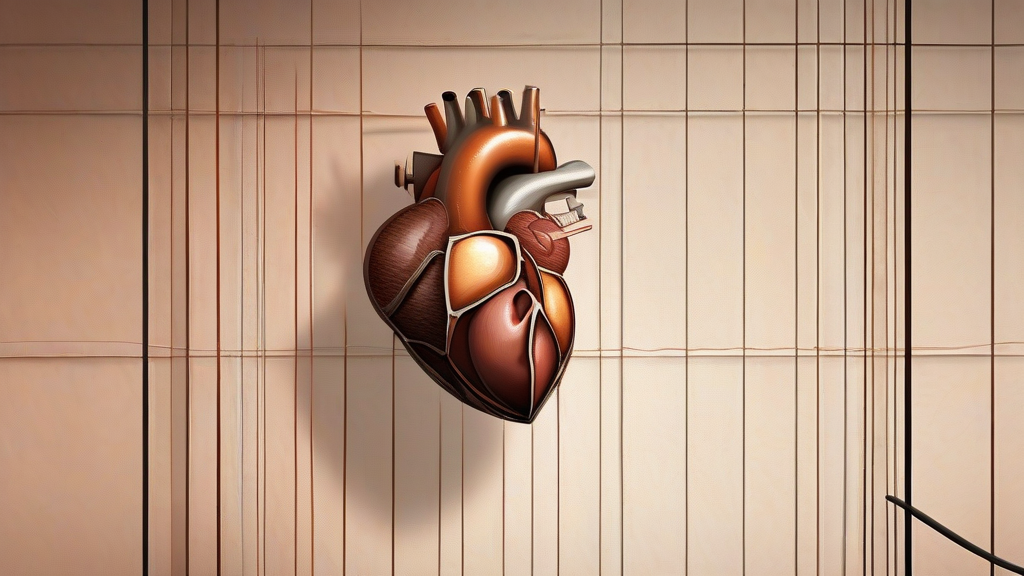
"The paries of the heart is composed of three layers: the epicardium, myocardium, and endocardium."
"The paries of the abdominal cavity is innervated by the abdominal nerves."
The plural form parietes is used to refer to multiple walls or partitions.
"The parietes of the abdominal cavity and the thoracic cavity are both composed of multiple layers."
Reviewed by Deb Chak, Editor. AI-assisted content curated by RJS Tech Solutions LLP.
Etymology of paries
The term paries originates from the Latin word 'paries', meaning 'wall'. It has been adopted into various languages, including English, to describe anatomical structures. The Latin term is related to the verb 'parare', meaning 'to prepare or provide', and is also connected to the word 'parietal', which refers to the wall of a cavity or a structure.
Usage notes
The term paries is primarily used in anatomical contexts, particularly in descriptions of the abdominal cavity and the heart.