
What does parma mean?
Parma is the name of a historic city and its surrounding province in the Emilia-Romagna region of northern Italy. The city lies on the Parma River and is noted for landmarks such as its cathedral, Baptistery, Palazzo della Pilotta, and Teatro Verdi, as well as for the University of Parma. Its culinary reputation is equally prominent: the surrounding area is associated with Parma ham and with Parmigiano-Reggiano, the hard cheese commonly called Parmesan. In English, the name most often identifies either the city, the province, or a product described as "Parma" ham. The place-name is always capitalized as a proper noun, whereas the food designation generally appears in ordinary title case within a compound. Although the modern city and province share the same name, they are distinct administrative and geographical entities, so context determines whether a reference is to the urban centre or the wider territory.
proper nounParma is a city and province in the Emilia-Romagna region of northern Italy. The name is also used for products associated with the area, notably Parma ham and Parmigiano-Reggiano cheese.
- The city in Emilia-Romagna, northern Italy, known for its historic centre, opera house, and food traditions.
- The province surrounding the city of Parma.
- A name used for characteristic products from Parma, especially Parma ham.
"We visited Parma to explore its historic centre and sample the region's celebrated food."
"Parma is the capital of the province of the same name."
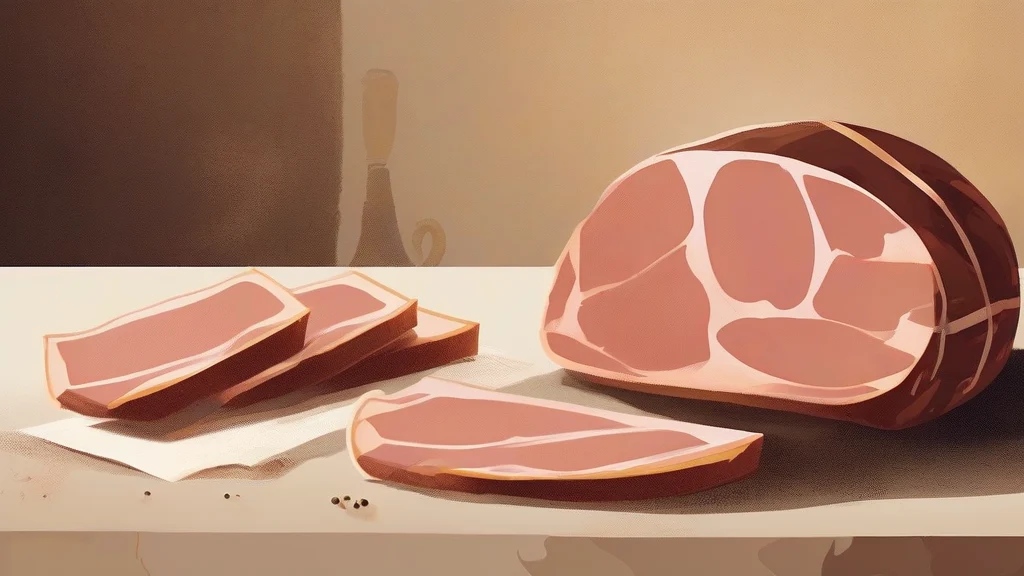
"The recipe calls for thinly sliced Parma ham."
As the name of a city or province, Parma is normally used in the singular and is not given a plural form.
"The tour included several cities, among them Parma and Ferrara."
Parma gave its name to two internationally famous foods: delicate, cured Parma ham and hard, crumbly Parmigiano-Reggiano cheese.
Reviewed by Deb Chak, Editor. AI-assisted content curated by RJS Tech Solutions LLP.
Etymology of parma
English borrowed the name from Italian Parma, the modern name of both the city and the surrounding province. The place-name existed in antiquity as Latin Parma and probably preserves a pre-Roman settlement name, often associated with Etruscan linguistic influence in the region. Its exact prehistoric derivation is uncertain, so the name should not be confidently assigned to a particular ancient word or explained through a speculative folk etymology.
Related word forms
How parma is actually used
The place-name is properly written with an initial capital letter. When referring to food, the compound is normally written as two words in the form "Parma ham"; trademark and protected-designation rules can vary by product and jurisdiction.