
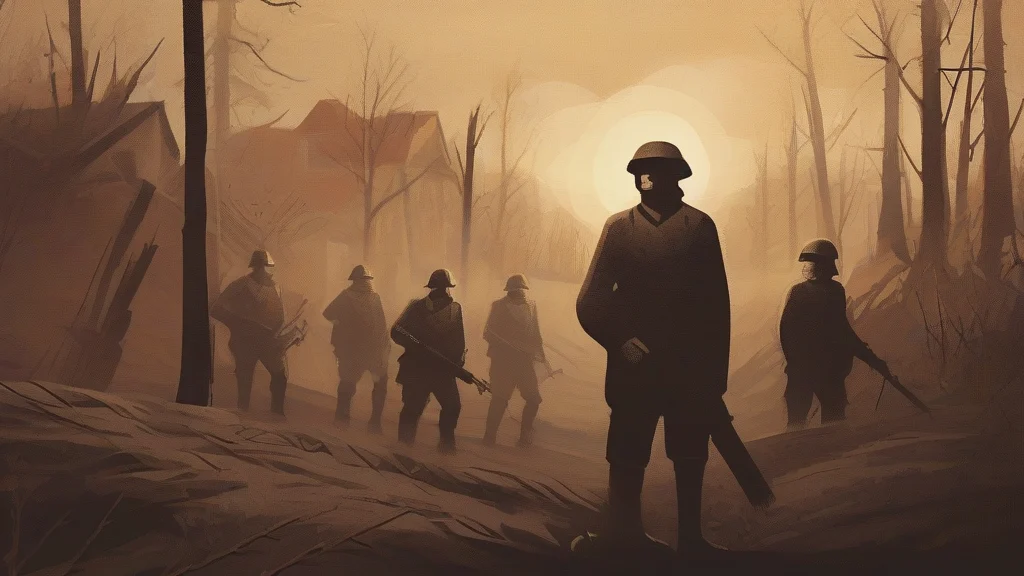
What does partizan mean?
Partizan describes allegiance to a political party, cause, or faction, and the noun denotes a person who maintains such allegiance. As an adjective, it often implies that a position or course of action is shaped by partisan loyalties rather than impartial judgment. A partizan may support a party, campaign, movement, or armed faction, although the word now has its strongest everyday association with politics. Historically, it could also mean a combatant on one side of a civil war. The term is generally critical in modern usage because it suggests bias, division, or a failure to assess competing views fairly. Nevertheless, it remains useful when the central issue is not merely partiality but allegiance to a faction. The less common spelling partizan is especially associated with historical descriptions of conflicts and political divisions.
Strongly committed to a political party, cause, or faction, often in a way that precludes impartiality.
"The newspaper was accused of publishing partizan reports on the election."
The adjective is especially common in political and electoral contexts and generally implies divisive or biased allegiance.
A person or group that supports a political party, cause, or armed faction.
"Each partizan claimed that only his own faction would honour the agreement."
Historically, the noun also denoted a combatant who served one side in a civil war.
The standard plural is partisans. In historical usage, it can refer collectively to combatants supporting one side in a civil war.
"The partisans guarded the mountain passes while government forces searched for them."
The word entered English through French from the Italian partigiano: someone who had taken sides in a faction.
Reviewed by Deb Chak, Editor. AI-assisted content curated by RJS Tech Solutions LLP.
Where does partizan come from?
The word entered English through the French partisan, from the Italian partigiano, meaning a supporter or fighter on one side of a faction. Its further development is associated with partire, the Latin verb meaning “to divide,” which also underlies words such as partition and portion. In English, the term initially had a military and civil-conflict sense before becoming established in political language.
Related word forms
How partizan is actually used
Partizan is a less common spelling variant of partisan, especially in historical usage. In contemporary political discussion, partisan can describe either a committed individual or conduct associated with party allegiance; the term often carries an implication of division, bias, or unwillingness to consider opposing views neutrally.
Easily confused with partizan
Partizan is a less common spelling variant of partisan, used especially in historical contexts.
Partial means incomplete or favouring one side, whereas partizan more specifically implies allegiance to a political party, cause, or armed faction.