
What does partook mean?
Partook is the simple past tense and past participle of partake, an English verb with two closely related uses. In its more general sense, it means that someone took part in an activity, event, or discussion: “The panel partook in a spirited debate.” In the traditional construction “partook of,” it means that someone ate or drank a share, as in “the guests partook of refreshments.” The second use sounds formal or literary, and today “ate,” “had,” or “shared” is often more natural when talking about food. The first use can usually be recast as “participated in,” although “partook” adds a slightly ceremonious or narrative tone. Both uses carry the basic idea of becoming involved in something and sharing in it. Partook is useful to writers because it conveys an action as completed and connects a discussion of participation, hospitality, and shared experience to the more familiar words participate, participant, and participation.
verbPartook is the simple past tense and past participle of partake, meaning to take part in an activity or to share in food, drink, or another resource.
- Took part in an activity, event, or discussion.
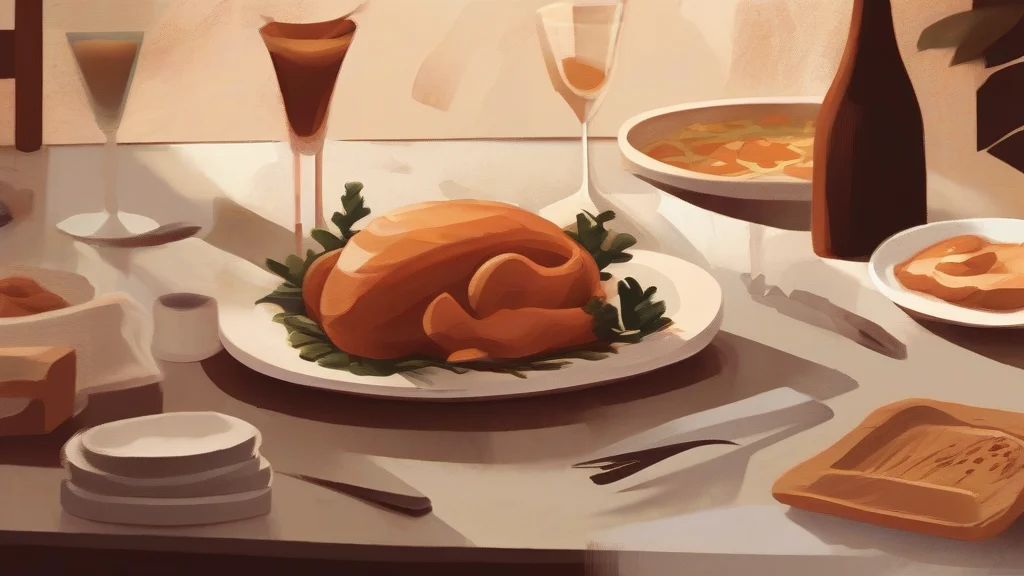
- Ate or drank a share of food, drink, or another resource, especially in the traditional construction "partook of."
"The delegates partook in a lively discussion before agreeing on a common proposal."
"After the ceremony, the guests partook of refreshments in the garden."
"Historians from several countries partook in the conference on the archive."
Partook shares a lineage with participant and participation, so its plain meaning reaches back to the Latin idea of taking or sharing a part.
Reviewed by Deb Chak, Editor. AI-assisted content curated by RJS Tech Solutions LLP.
Where does partook come from?
Partook is the irregular preterite and past participle of partake, a verb whose history reaches back to Middle English. The verb belongs to a wider family based on the Latin idea of taking or sharing a part: participate comes from Latin participāre, while participant and participation were formed within the same Latinate vocabulary. The form with “-took,” however, is an English irregular past-tense formation rather than a feature carried over unchanged from Latin.
How partook is actually used
Partook is more common in formal, literary, or narrative contexts than in everyday speech. The construction "partook of" is especially traditional; "ate," "had," or "shared" is often more natural for food and drink, while "participated in" is the usual modern equivalent for an activity.
Easily confused with partook
Partake is the present-tense base verb, whereas partook is its simple past and past participle.