
What does parure mean?
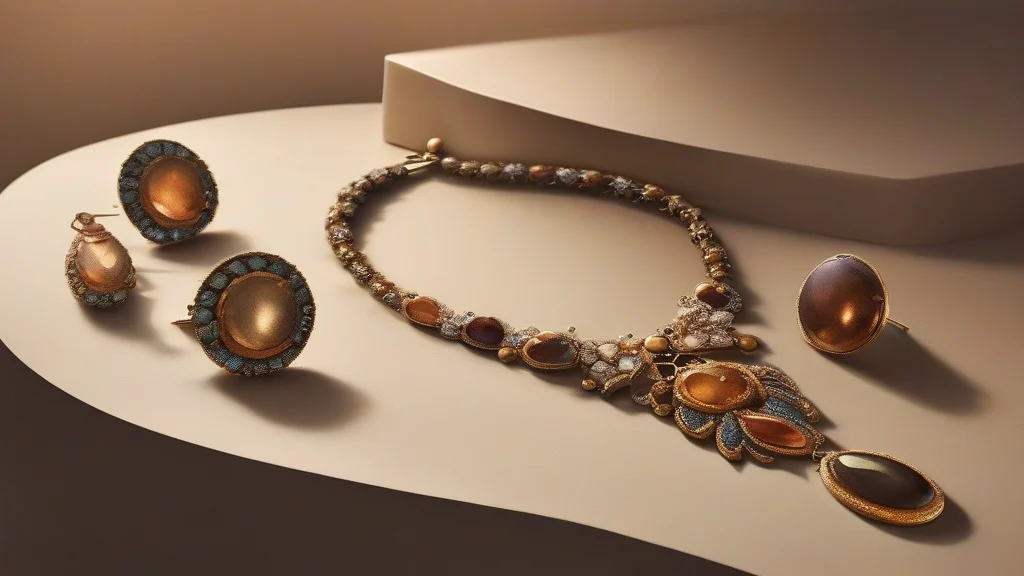
Parure is a rare, elevated noun for clothing or dress, especially clothing that is elaborate, sumptuous, or intended to display wealth and status. In a sentence such as “the queen's gold parure,” it presents attire as a striking feature of a scene, often in historical, ceremonial, or luxurious contexts. The word is chiefly literary in modern English and sounds more elevated than dress, attire, or clothing; it may also refer broadly to decorative adornment rather than a single garment. Although uncommon, parure is useful because it conveys both the physical object and an atmosphere of splendor and display. It derives from French, where it developed from the verb for arranging or adorning, ultimately connected to Latin for preparing or arranging. The form therefore carries a strong sense of intentional presentation, making it more evocative than a generic label for clothing.
nounClothing, dress, or adornment, especially when elaborate, sumptuous, or intended for display. The word is chiefly literary and now uncommon in everyday speech.
- Elaborate or sumptuous clothing, dress, or attire.
- Decorative adornment, especially ornamental dress.
"The queen appeared in a parure of gold brocade and ermine."
"The queen appeared in a parure of gold brocade and ermine."
"The novel's descriptions of the duchess's parure emphasize the wealth and rank of her household."
The plural is fully regular but rare in present-day English.
"The catalogue lists three surviving parures from the reign."
Calling something a parure signals not merely that it is clothing, but that it has been arranged to dazzle.
Reviewed by Deb Chak, Editor. AI-assisted content curated by RJS Tech Solutions LLP.
Where does parure come from?
Parure came into English from French parure, a noun meaning dress or adornment. It derives from parer, “to adorn,” ultimately from Latin parare, “to prepare, arrange.” Related English forms include pare, parer, prepare, and repair, although their present meanings have diverged substantially from the original sense of arranging or adorning.
How parure is actually used
Rare, literary, and elevated in modern English. It sounds more formal and suggestive of display than dress, attire, or clothing, and it often occurs in historical, ceremonial, or sumptuous contexts.