
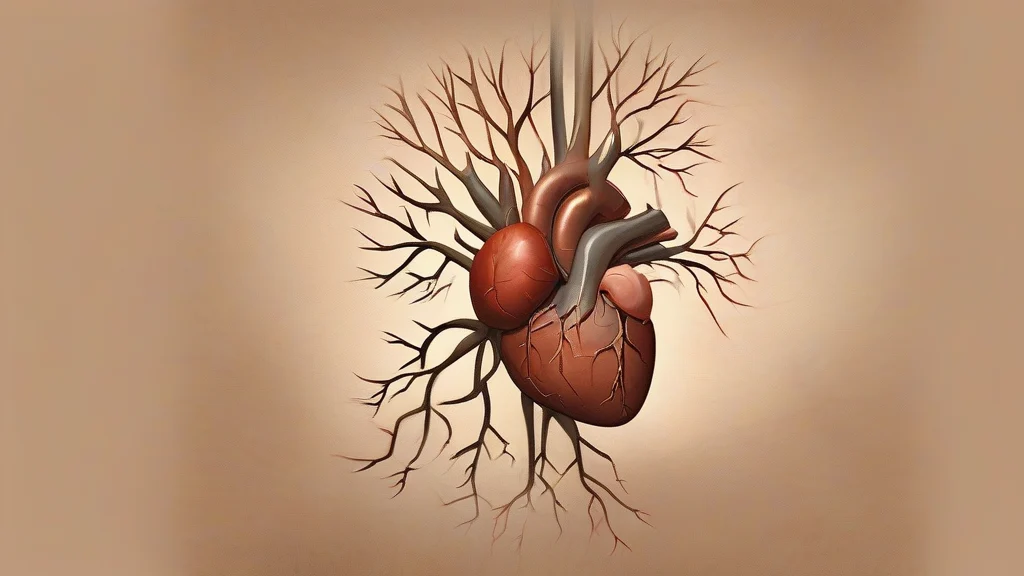
What does pericardium mean?
The pericardium is the sac-like membrane that surrounds the heart and the roots of the great blood vessels. It has two principal layers, with a small amount of fluid between them that reduces friction as the heart beats. The pericardium also helps anchor the heart within the chest and limits the spread of certain infections or inflammation. In medicine, the word is closely associated with conditions affecting this enclosure, including pericarditis, pericardial effusion, and pericardial tamponade. Although the term is not everyday vocabulary, understanding the pericardium is important for describing the heart's anatomy and diagnosing diseases involving the tissues around it.
nounThe pericardium is the membranous sac that surrounds the heart and the roots of the great blood vessels. It consists of two layers whose enclosed space contains a small amount of lubricating fluid, allowing the heart to move smoothly during contraction.
- The membranous sac surrounding the heart and the roots of the great blood vessels.
"The surgeon carefully opened the pericardium to expose the heart."
"Fluid accumulated in the pericardium, a condition known as pericardial effusion."
"Anatomists describe the layers and attachments of the pericardium in detail."
The plural is used in anatomical contexts, especially when referring to the membranes or sacs surrounding multiple structures or in comparative descriptions.
"The outer surfaces of the pericardia were examined during the dissection."
The pericardium is the heart's own protective, lubricated enclosure—without it, the heart's powerful movements would be resisted by surrounding tissues.
Reviewed by Deb Chak, Editor. AI-assisted content curated by RJS Tech Solutions LLP.
Where does pericardium come from?
The word comes from Latin pericardium, a medical and anatomical term derived from Greek perikardion. The Greek formation combines the prefix peri-, meaning “around,” with kardion, meaning “heart.” The same root underlies related medical terms such as pericardial and pericarditis.
Related word forms
How pericardium is actually used
This is a technical anatomical term used primarily in medicine and biology. In clinical contexts, it is often paired with precise modifiers such as pericardial effusion, pericardial tamponade, and pericardial window.
Easily confused with pericardium
Pericardium is the anatomical sac surrounding the heart, whereas pericarditis is inflammation of that sac or its surrounding tissues.