What does pernio mean?
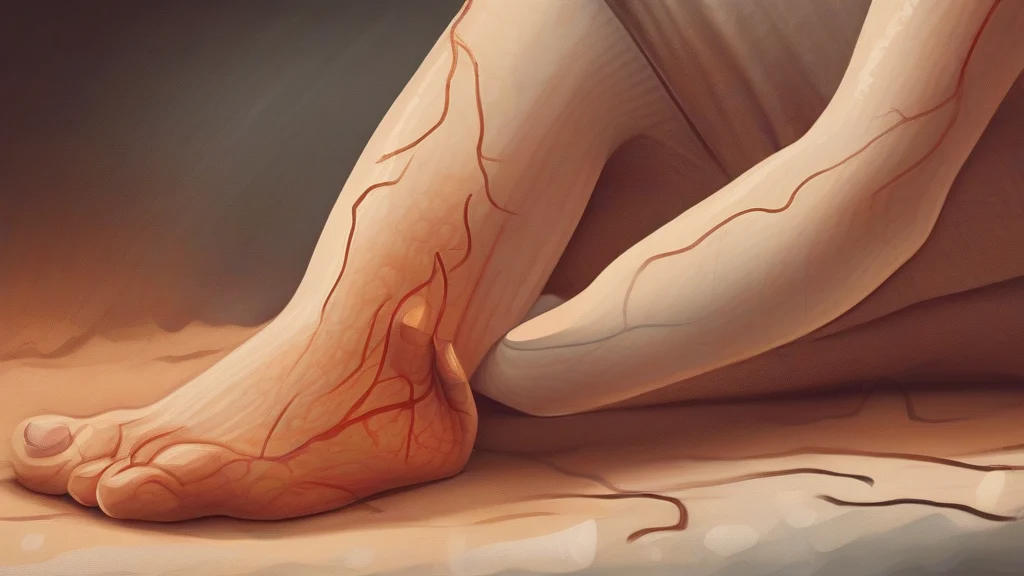
Pernio, also known as chilblains, is a medical condition that affects the small blood vessels in the skin, typically caused by exposure to cold temperatures. It is characterized by inflammation, itching, and pain in the affected areas, often the toes, fingers, ears, and nose. Pernio can be prevented by taking precautions such as wearing warm clothing, staying dry, and avoiding prolonged exposure to cold. Treatment usually involves relieving symptoms with topical creams and pain medication. The condition is relatively common and usually resolves on its own within a few weeks. Understanding pernio and taking preventive measures can help alleviate discomfort and reduce the risk of complications.
nounPernio, also known as chilblains, is a medical condition characterized by inflammation of small blood vessels in the skin, typically caused by exposure to cold temperatures.
- A medical condition caused by cold exposure
- A type of cold-induced skin inflammation
"After spending the day hiking in the snow, she developed painful pernio on her toes."
"The doctor diagnosed her with pernio and prescribed a topical cream to alleviate the symptoms."
"Pernio can be prevented by wearing warm clothing and staying dry in cold weather."
The plural form 'pernios' is rarely used, as the condition is typically described in the singular.
Reviewed by Deb Chak, Editor. AI-assisted content curated by RJS Tech Solutions LLP.
Etymology of pernio
The term 'pernio' originates from the Latin word 'perniones', which refers to a type of cold-induced skin inflammation. The word has been used in medical contexts since the 17th century to describe this specific condition. The related term 'chilblains' comes from the Old English words 'cyle' meaning 'cold' and 'blæne' meaning 'inflammation'.
How pernio is actually used
The term 'pernio' is often used interchangeably with 'chilblains', although 'pernio' is more commonly used in medical contexts.