
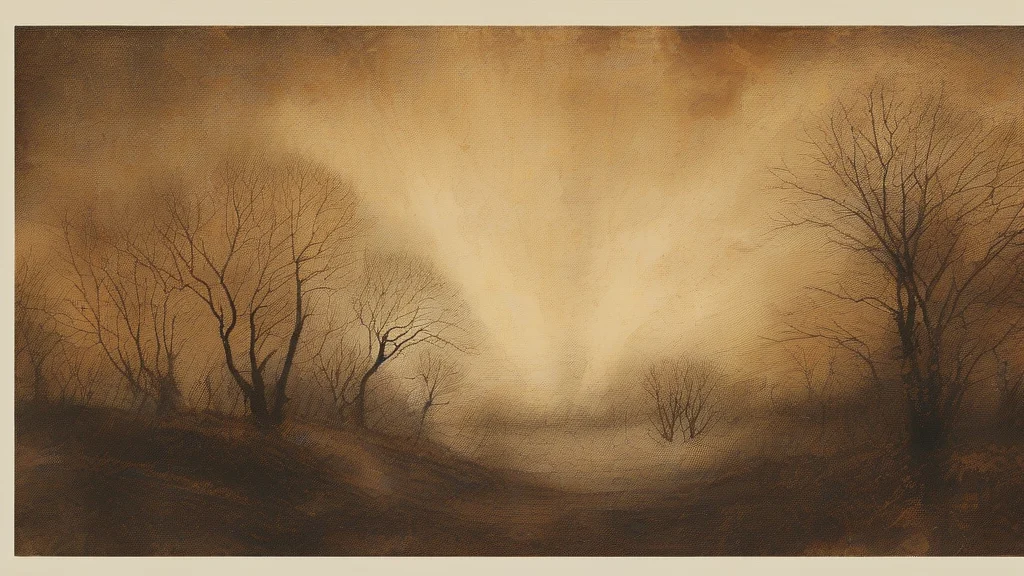
What does photogravure mean?
Photogravure is a printing technique that converts a photographic image into an intaglio plate, from which the final print is made under pressure. Because the image is recessed into the plate and the paper is pressed into it, the process can reproduce exceptionally fine detail, deep tonal gradations, and rich blacks. This makes photogravure especially valued for portraits, landscapes, book illustrations, and other works in which the tonal qualities of photography are important. Collectors sometimes use the word for a particular photographic print, although it may also designate the broader class of photographic intaglio processes. The term is associated with fine-art prints and historical illustrated publications, where prints were valued for their craftsmanship and visual richness. It should not be confused with lithography, which prints from a flat surface, or with heliogravure, a related relief-printing process.
nounA printing process in which a photographic image is transferred to a metal plate and printed under pressure, producing a finely detailed intaglio impression. The term can also refer to a print made by this process.
- The photographic intaglio printing process in which an image is transferred to a recessed metal plate.
- A print produced by this process.
"The museum displayed a rare photogravure of the harbour in deep brown and black tones."
"The portrait was reproduced as a photogravure for the illustrated book."
"Collectors valued the photogravure because its dense blacks and subtle tonal gradations gave it the appearance of a fine engraving."
Usually used for individual prints produced by the process.
"The exhibition included several original photogravures from the early twentieth century."
Photogravure translates a photograph into an intaglio plate, preserving exceptionally fine tonal detail in the finished print.
Reviewed by Deb Chak, Editor. AI-assisted content curated by RJS Tech Solutions LLP.
Where does photogravure come from?
Photogravure was formed in German as Fotogravur, combining Foto, a borrowing related to photography, with Gravur, a term associated with engraving or engraved printing. Its components ultimately draw on Greek phōs, “light,” and graphein, “to write,” together with French gravure, from graver, “to engrave.” The compound name reflects the combination of a photographic source image with an engraved or intaglio printing method.
How photogravure is actually used
The word is used primarily in printmaking, book illustration, and the art market. In British usage, “photogravure” can broadly describe photographic intaglio printing, including related methods such as photogravure in the narrower sense.
Easily confused with photogravure
A photogravure is made from a photographic image, whereas a heliogravure uses a photograph as the basis for a relief plate.
Photogravure is an intaglio process in which the image is recessed into a plate, while lithography prints from a flat surface.