
What does pillory mean?
A pillory was originally a wooden framework in which an offender's head and hands could be secured, allowing a public crowd to see, shame, and often physically abuse the person. The device was used in parts of Europe, especially England, before imprisonment and other forms of punishment displaced it; prominent offenders could also be displayed in a pillory as a warning to others. Today, the term survives mainly in figurative and historical language. To pillory someone is to expose their conduct to intense public criticism, ridicule, or disgrace, often as a deliberate act of moral condemnation. The expression “in the pillory” similarly denotes a state of public obloquy. Although the literal object is uncommon, the word remains forceful because it evokes a punishment that made shame visible, immediate, and communal. In contemporary writing, it usually signals stern disapproval rather than ordinary criticism.
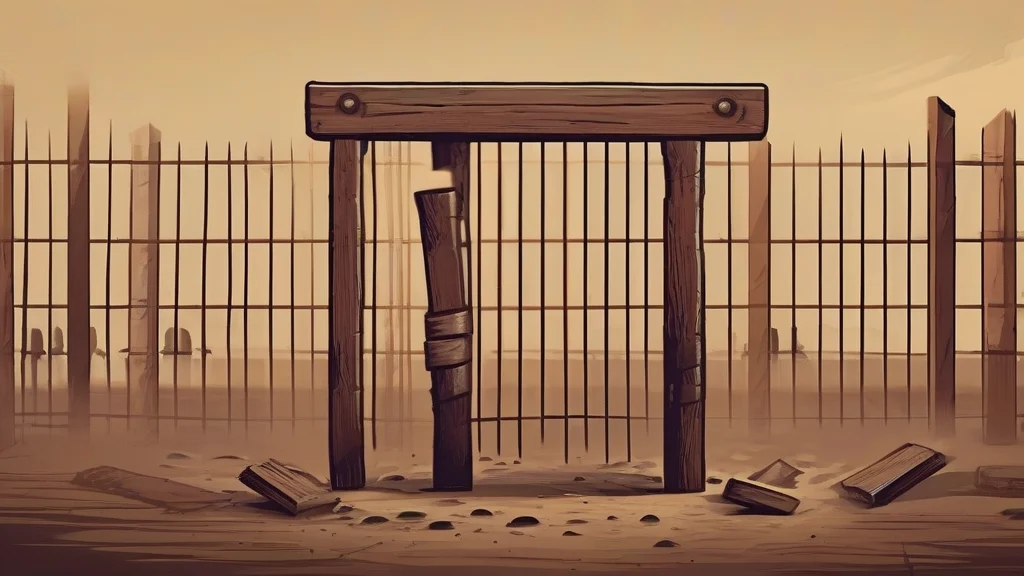
A wooden framework used to restrain a person publicly, especially as a punishment or public spectacle.
"The man was locked in the pillory while the townspeople gathered around him."
The literal sense is chiefly historical; modern usage often refers figuratively to public disgrace.
To expose someone to public ridicule, criticism, or disgrace.
"The editorial pilloried the company for misleading its customers."
This figurative use is emphatic and strongly condemnatory.
The standard plural of the noun; the verb's third-person singular is pillories and its other inflected forms are pilloried and pillorying.
"The old pillories once stood in the center of the marketplace."
For centuries, the pillory made public humiliation literal: the offender stood immobilized while the crowd delivered its verdict.
Reviewed by Deb Chak, Editor. AI-assisted content curated by RJS Tech Solutions LLP.
Where does pillory come from?
The word entered Middle English through Anglo-French and Old French forms associated with the medieval Latin pilorium. Its ultimate origin is uncertain, although it has often been connected with Latin pila, meaning a pillar. The English word developed both for the physical restraining device and, later, for the figurative punishment of public exposure and disgrace.
Related word forms
How pillory is actually used
The literal punishment is now largely historical. In modern figurative use, the word has a strongly critical and rhetorical tone and refers especially to sustained public exposure, condemnation, or humiliation.