
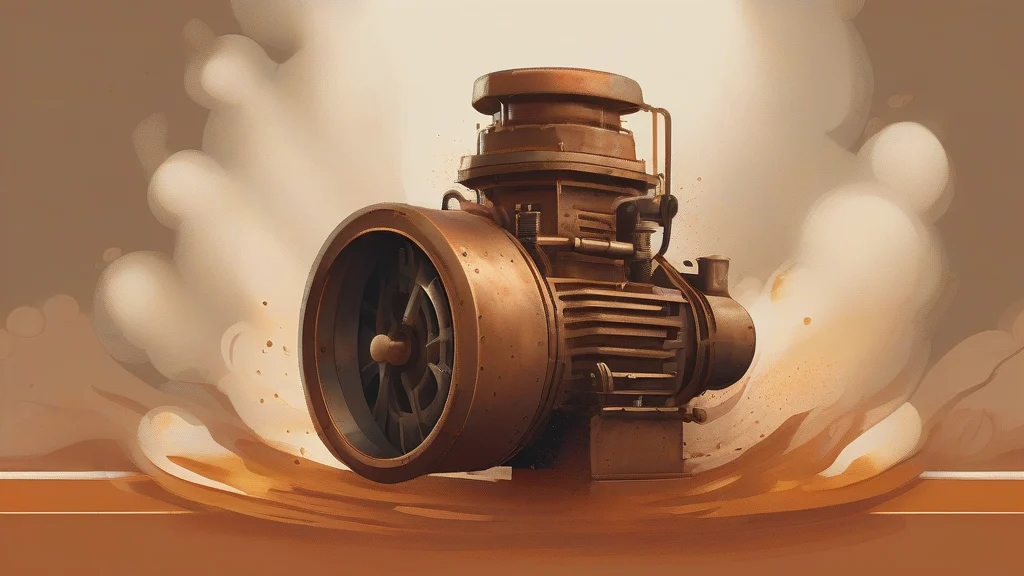
What does piston mean?
A piston is a moving machine part that fits inside a cylinder and travels back and forth in response to pressure. In an internal-combustion engine, expanding gases push the piston down, while the piston’s movement helps turn the crankshaft; in a pump or compressor, its motion moves a fluid or changes the pressure within a chamber. The word is also used more broadly for similar sliding components in hydraulic and pneumatic equipment. Although the word may sound familiar from discussions of cars and engines, a piston is not limited to engines: it is a basic mechanism for converting pressure into movement or using movement to control pressure. The term is usually technical, appearing in engineering, vehicle maintenance, manufacturing, and mechanical descriptions.
nounA piston is a component that slides back and forth inside a cylinder, usually converting the pressure of a gas or liquid into mechanical motion. It is a fundamental part of many engines, pumps, compressors, and hydraulic devices.
- A cylindrical component that moves back and forth within a cylinder, driven by pressure or used to exert pressure.
"The engine's pistons move rapidly inside their cylinders as the fuel burns."
"The pump's piston forces oil through the narrow pipe."
"A single faulty piston can reduce the power of an otherwise sound engine."
The plural is used when referring to multiple piston components in a machine or engine.
"All four pistons are inspected during the engine overhaul."
A piston turns pressure into motion, making it one of the quiet workhorses behind engines, pumps, and hydraulic machines.
Reviewed by Deb Chak, Editor. AI-assisted content curated by RJS Tech Solutions LLP.
Where does piston come from?
The English word piston comes through French from Latin pisto, a verb meaning “to pound” or “beat,” reflecting the part’s forceful, reciprocating motion. Its development followed the long history of pistons in pumps and presses, where a solid component was repeatedly driven into a cylinder. The word entered English in the medieval period and was later applied more specifically to the sliding components of steam engines and other machinery.
How piston is actually used
Usually a technical or mechanical term. In general writing, it is common in descriptions of engines, pumps, compressors, hydraulics, and machinery.
Easily confused with piston
A piston is a moving component of a machine, whereas a pistol is a type of handgun.
A piston is a mechanical part, while a pistil is the seed-bearing central structure of a flower.