
What does plougher mean?
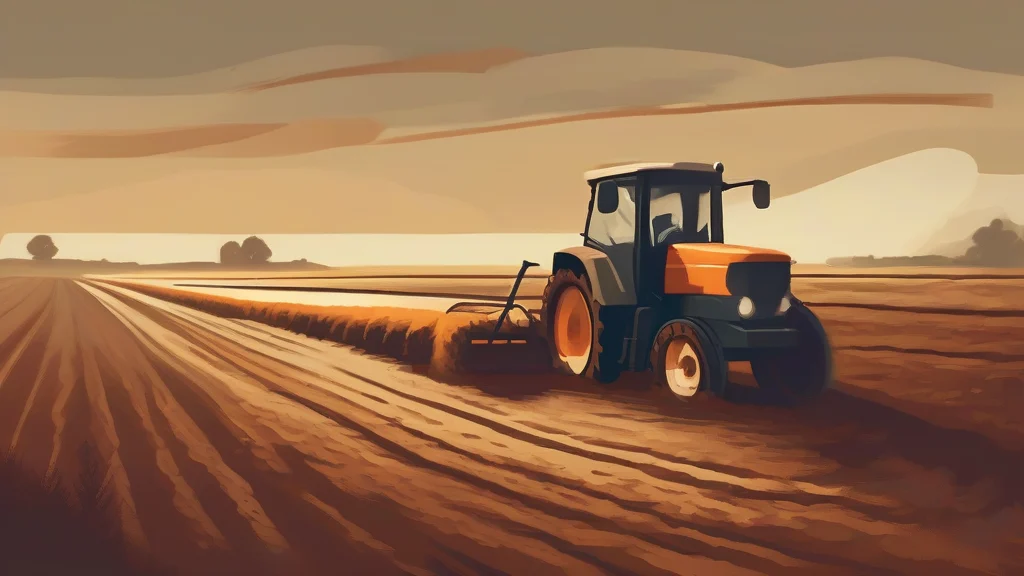
A plougher is a person who ploughs, meaning that they operate a plough to turn and prepare soil for planting. The expression is chiefly associated with British, Australian, and New Zealand English, where it may denote an experienced farmer, an agricultural labourer, or someone hired specifically to carry out ploughing. In modern American English, the more usual terms are “plowman” and, depending on context, “farmer.” Plougher retains the vocabulary of traditional agriculture and can sound practical, rural, or deliberately nostalgic. Although the basic meaning is straightforward, it is usually associated with fields, soil preparation, seasonal work, and farming communities. The word is especially useful in historical writing and descriptions of agricultural labour, where it distinguishes a worker involved in the physical task of ploughing from a farmer in the broader business sense.
nounA person whose work is ploughing fields, especially a farmer or agricultural worker. The term may also refer more broadly to a person or machine involved in ploughing.
- A person who ploughs fields, especially a farmer or agricultural worker.
"The farmer hired an experienced plougher to prepare the field before sowing."
"A skilled plougher can prepare several acres in a day."
"The old farm journal described each plougher by the number of horses working the team."
Used when referring to more than one person who ploughs.
"The ploughers returned to the field after the rain."
The plougher belongs to a long line of farming vocabulary that links modern agriculture with the Anglo-Saxon word for the plough itself.
Reviewed by Deb Chak, Editor. AI-assisted content curated by RJS Tech Solutions LLP.
Where does plougher come from?
The word derives from “plough,” which comes from Old English plōh, a word for a plough, and ultimately from a Germanic root shared with Dutch ploeg, German Pflug, and Old Norse plógr. The occupational suffix “-er” was added to create a form denoting someone who performs the work of ploughing. The terminology therefore reflects the long-established importance of ploughing in the agricultural economies of northern Europe.
How plougher is actually used
The word has a traditional, rural or occupational tone and may sound somewhat old-fashioned in everyday British English. It is less common in modern American usage.