
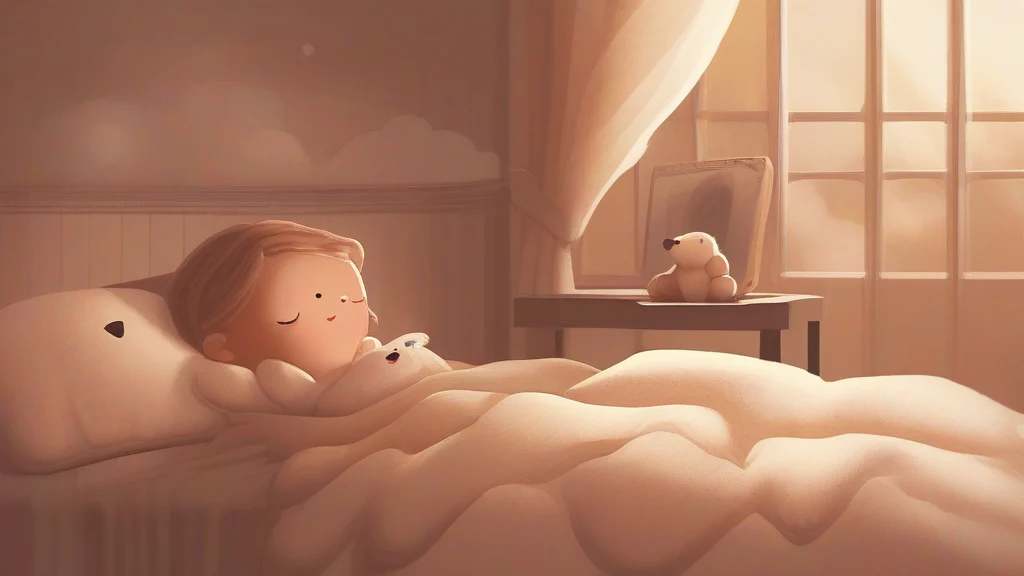
What does plushly mean?
Plushly is a rarely used adverb meaning “in a plush manner.” It characteristically combines the tactile softness associated with plush fabric with a broader sense of luxury, comfort, and abundance. A room may be described as plushly furnished, while a person or animal may appear plushly settled into cushions or bedding. The word is especially suited to descriptive and literary prose, though it can also occur in advertisements and other contexts intended to evoke an atmosphere of refinement. Because it conveys more than simple softness, plushly often implies visual richness, comfort, or opulence as well. Its rarity means that its effect is more specific than that of the commoner adverb softly and more emphatic than merely comfortably. In careful writing, it is best used when that combination of softness and luxurious surroundings is clearly intended.
adverbIn a plush manner; softly, richly, and comfortably.
- In a plush manner; softly, richly, and comfortably.
"The suite was plushly furnished with thick carpets and velvet curtains."
"The kitten curled plushly among the cushions."
"The reception room was plushly decorated in deep reds and polished wood."
Plushly captures not merely softness, but an entire atmosphere of luxury, warmth, and ease.
Reviewed by Deb Chak, Editor. AI-assisted content curated by RJS Tech Solutions LLP.
Where does plushly come from?
The adverb was formed by adding the suffix -ly to the adjective plush. Plush entered English from French peluche, a term associated with soft fabric and pile, which is commonly traced to Latin pilus, meaning “hair.” That Latin root also underlies related English words such as pilosity and depilatory.
Related word forms
How plushly is actually used
Relatively uncommon and more often encountered in descriptive prose than in everyday speech. Depending on context, it can suggest tactile softness, luxurious surroundings, or both.