
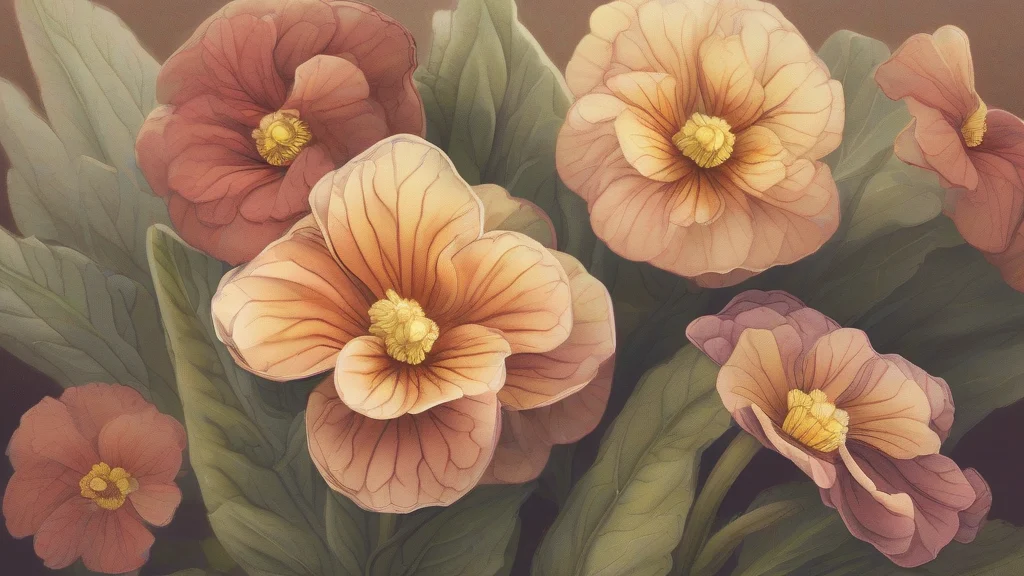
What does polyanthus mean?
Polyanthus is a horticultural name for a group of garden primulas, especially the hybrid commonly called the polyanthus primrose. The plants form low clumps and carry clusters of flowers in many colors, from pale yellows and pinks to red, purple, and blue. The word is most common among British gardeners and florists, but it is also used in the United States, particularly for commercially grown flowering plants. In garden descriptions, polyanthus distinguishes a vigorous hybrid group from the individual species sometimes called common primrose. Its appeal lies in the combination of bright color, generous flower clusters, and a compact, durable habit that suits borders, window boxes, and containers. The name is botanical as well as practical: it comes from Greek elements meaning “many” and “flower.” Knowing the term is therefore useful not only for identifying the plant but also for understanding the literal description embedded in its name.
nounA garden primrose, especially the hybrid Primula × polyanthus, grown in compact clumps with dense clusters of flowers in many colors. The name is also used for the group of primulas collectively known as polyanthus primroses.
- A garden primrose belonging to the Primula × polyanthus hybrid group, typically forming a compact clump topped by a cluster of brightly colored flowers.
"She filled the window boxes with polyanthus, choosing yellow and deep pink plants for the spring display."
"Polyanthus plants brought a welcome burst of color to the border in early spring."
"The nursery specializes in flowering polyanthus for spring bedding displays."
The regular plural is used when referring to multiple plants of the polyanthus group.
"The nursery displayed hundreds of polyanthuses beneath the shade trees."
Picking apart the Greek behind polyanthus reveals a literal description: “many-flowered.”
Reviewed by Deb Chak, Editor. AI-assisted content curated by RJS Tech Solutions LLP.
Where does polyanthus come from?
Polyanthus comes from Greek polús, meaning “many,” and ánthos, meaning “flower,” forming a New Latin botanical name that literally means “many-flowered.” The name was adopted for cultivated primulas distinguished by their abundant flower clusters. Its components also appear in related English words such as anthology, anthesis, and anther.
Related word forms
How polyanthus is actually used
The term is chiefly horticultural and botanical. In British usage it often identifies a particular cultivated group of primulas rather than primulas generally.
Easily confused with polyanthus
Primrose is the broader common name, while polyanthus usually refers more specifically to a vigorous group of cultivated hybrid primulas.