
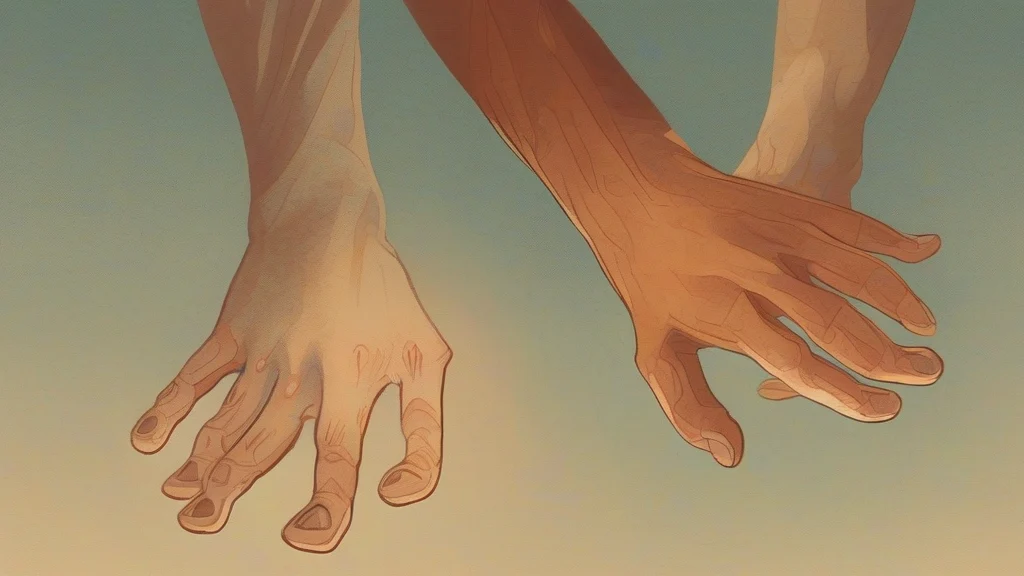
What does polydactylous mean?
Polydactylous is an adjective describing an animal or person who has more than the usual number of fingers or toes. The condition, commonly called polydactyly, can affect the hands, the feet, or both, and it may occur in isolation or as part of an inherited syndrome. Because the term is associated with clinical and biological description, it is more specialized than the everyday expression “having extra fingers” or “having extra toes.” The related noun “polydactyly” names the condition itself, while “polydactyl” can refer either to the condition or to an individual possessing extra digits. Polydactylous is useful when a precise, formal description is needed, especially in medical, veterinary, or genetic contexts.
adjectiveHaving more than the usual number of fingers or toes. The term is used especially in medical and biological contexts to describe an inherited anatomical condition.
- Having more than the usual number of fingers or toes.
"The clinician explained that the patient was polydactylous, with six digits on each hand."
"A polydactylous calf was born on the farm."
"The condition is known as polydactylous when a person has extra fingers or toes."
Polydactylous comes from Greek for “many-fingered,” a fitting name for a condition defined by the presence of extra fingers or toes.
Reviewed by Deb Chak, Editor. AI-assisted content curated by RJS Tech Solutions LLP.
Where does polydactylous come from?
The word comes from Greek poludaktylos, a compound of polu- meaning “many” and daktylos meaning “finger.” The sense developed from the idea of having many or extra fingers or toes. Its relatives include polydactyl, polydactyly, and dactyl, all associated with the same Greek root for finger.
Related word forms
How polydactylous is actually used
This is a formal, chiefly medical and biological term. In general usage, “polydactyl” is more common when referring to an animal or a person with extra digits.
Easily confused with polydactylous
“Polydactylous” describes the anatomical condition of having extra digits, whereas “polydactyl” can describe such an animal or person and can also refer to a person with extra fingers or toes.