
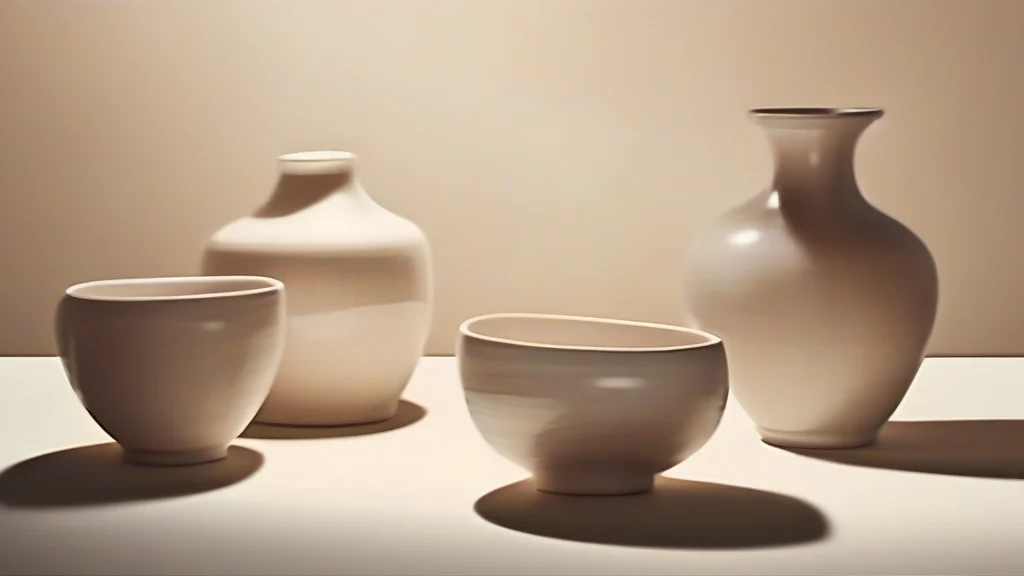
What does porcelain mean?
Porcelain is a fine, hard, usually white ceramic material made from carefully prepared clay and fired at high temperatures. Its smooth surface, strength, and sometimes translucent or translucent-looking finish make it especially suitable for tableware, figurines, vases, tiles, and other decorative objects. The word can refer either to the material itself, as in “a bowl made of porcelain,” or, when used attributively, to an object made from it, as in “porcelain doll.” It is closely associated with the traditional manufacture of fine tableware and with collecting, although modern porcelain also includes many artistic and utilitarian pieces. Compared with ordinary earthenware, porcelain is generally harder, less porous, and more refined. The term is also sometimes confused with “fine china,” though these names may identify related but distinct ceramic traditions depending on the context.
nounPorcelain is a hard, fine, usually white ceramic material made by firing specially prepared clay at high temperatures. It is valued for its smooth surface, durability, and translucency, and is used for tableware, figurines, tiles, and decorative objects.
- A hard, fine, white ceramic material made from specially prepared clay and fired at high temperatures.
- An object, especially a decorative figurine or piece of tableware, made from this material.
"The vase is made of fine porcelain and is painted with delicate blue flowers."
"She arranged the porcelain cups and saucers on the dining table."
"The museum displayed an exquisite porcelain figure of a bird."
The plural is used mainly when referring to individual porcelain objects, especially figurines or collectible pieces; the material itself is normally uncountable.
"Several porcelain figurines were displayed in the cabinet."
Porcelain takes its name from a diminutive word associated with a little pig, because early translucent material was thought to resemble the translucent shell of a sea animal.
Reviewed by Deb Chak, Editor. AI-assisted content curated by RJS Tech Solutions LLP.
Where does porcelain come from?
The word entered English through French porcelaine, from Italian porcellana, a diminutive associated with porcellino, “little pig.” The comparison is generally understood to refer to the translucent, shell-like quality of certain early porcelain. The English word was established by the 17th century and developed into the name for a hard, white ceramic material produced from refined clay.
How porcelain is actually used
In general use, “porcelain” is a mass noun for the material; when it refers to an individual object, it is often used attributively, as in “porcelain doll.” “Fine china” is sometimes used loosely as a synonym, though the terms can distinguish different ceramic traditions.