
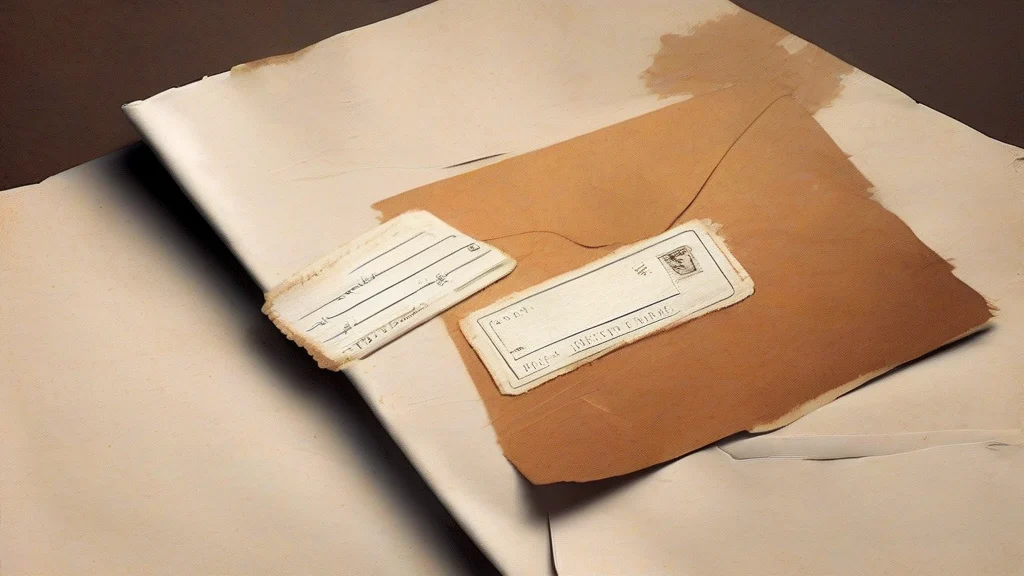
What does postmark mean?
A postmark is a mark placed on a piece of mail by a postal authority, usually showing the date on which the item was accepted or processed. It can provide evidence that a letter or parcel entered the postal system on a particular date, which makes postmarks important in business, legal, historical, and philatelic contexts. The related verb, to postmark, means to apply such a mark to mail. Although the custom of stamping mail with date and place information is old, the modern postal postmark may also be an electronic mark recorded in the postal system rather than a physical stamp on the envelope. In ordinary conversation, the word is less common than postage or stamp, but it is especially useful when the precise postal handling date matters.
A mark, usually bearing a date and sometimes a location, applied by a postal service to mail.
"The postmark on the parcel showed that it had been sent from Edinburgh."
Common in postal, business, historical, and philatelic contexts.
To mark mail with a postmark, especially a dated mark indicating when it entered or was processed by the postal service.
"The clerk postmarked the documents and sent them by registered mail."
Usually used with mail, letters, parcels, or documents; formal but established.
The plural is postmarks.
"The auction included envelopes with unusual postmarks from overseas."
A postmark turns an ordinary piece of mail into a small timestamped record of its journey through the postal system.
Reviewed by Deb Chak, Editor. AI-assisted content curated by RJS Tech Solutions LLP.
Where does postmark come from?
Postmark is a compound of post, in the sense of postal mail or the postal system, and mark, meaning a visible indication or stamp. The compound developed during the 19th century as postal services increasingly recorded dates and locations directly on mail. Its related forms, including postage, postmaster, postman, and postal, share the same postal root.
Related word forms
How postmark is actually used
The noun is standard in postal, philatelic, and administrative contexts. The verb is formal but established, particularly in postal services and philately.