
What does primp mean?
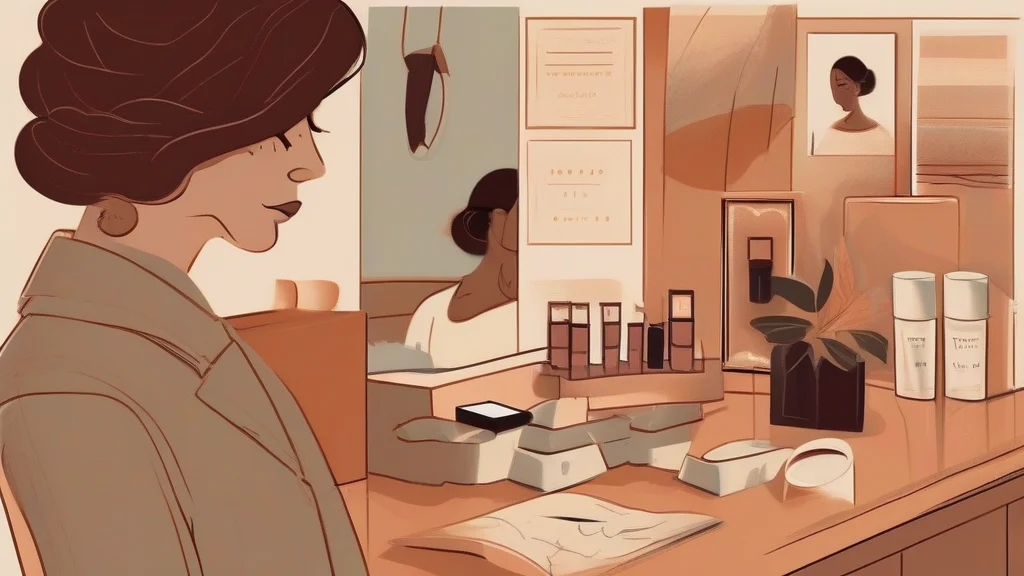
To primp is to behave in an affectedly prim or coy way, often paying exaggerated attention to one's clothing, appearance, or behaviour. The word can suggest that someone is self-conscious, fussy, or determined to appear modest and polished. Primping may simply describe getting ready in detail, but it often carries a teasing or mildly disapproving tone. As a noun, a primp is a person who behaves in this exaggeratedly proper manner. The word is especially natural in informal English and can apply to both adults and children. It overlaps with preen, although preen generally emphasizes admiring oneself or showing off, while primp more often stresses primness, affected modesty, or careful preparation. It is a useful word for describing the particular kind of fussiness and vanity that can accompany dressing up or posing for attention.
To behave in an affectedly coy or prim manner, or to dress and groom oneself with exaggerated care.
"She primped in the doorway, pretending not to notice the attention she was receiving."
Often informal and mildly teasing or critical; it can describe both affected behaviour and careful preparation for an occasion.
A person who behaves in an affectedly prim or self-conscious manner.
"The youngest primp in the group refused to enter the room until everyone had looked at her dress."
Less common than the verb and chiefly informal or literary in tone.
To primp is to turn getting ready into a performance: the mirror, the careful outfit, and the suspiciously modest pose all come with it.
Reviewed by Deb Chak, Editor. AI-assisted content curated by RJS Tech Solutions LLP.
Where does primp come from?
The verb and noun are late 19th-century formations associated with the idea of behaving primly, probably influenced by prim and related forms. The precise origin of the word is uncertain. Its connection with prime, primitive, and primal ultimately reflects the broader Latin root primus, meaning first or foremost, although the development of primp itself is not fully documented.
Related word forms
How primp is actually used
The word is usually informal and often mildly critical or humorous. It can describe a person as self-conscious and overly concerned with appearance, as well as the act of carefully preparing oneself.
Easily confused with primp
A prince is a male royal or the son of a monarch, whereas to primp is to behave or dress in an affectedly prim manner.
Prim means excessively precise, formal, or proper, while primp specifically emphasizes coy or affected behaviour, often involving dressing or grooming.