
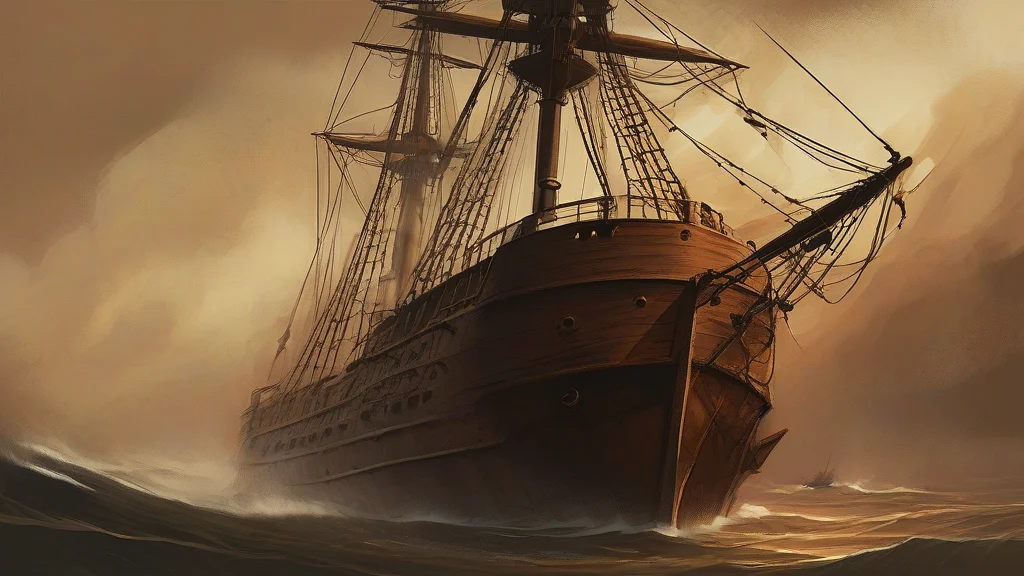
What does privateer mean?
A privateer was an armed privately owned ship, or the person commanding one, that was authorized by a government to attack enemy vessels during wartime. Unlike a pirate, a privateer operated under official permission, usually by means of a commission or letters of marque, and could legally capture enemy ships and claim their cargo as prizes. The role became especially important when powerful states limited naval participation and private investors supplied ships, crews, and military risk. Although the practice declined as naval forces became more centralized and professional, privateers remained associated with adventurous maritime histories and with figures who blurred the line between commerce, warfare, and piracy. Today, “privateer” is chiefly used in historical and legal contexts, while its figurative use suggests an independent or opportunistic person who operates beyond ordinary constraints.
nounA privately owned armed vessel, or a person operating one, that is authorized by a government to attack enemy ships during wartime and capture them as prizes. In modern use, the term is chiefly historical and legal rather than a general synonym for pirate.
- A privately owned armed vessel authorized by a government to attack enemy ships during wartime and capture them as prizes.
- A person who operates or serves aboard such a vessel.
"The privateer captured a merchant ship and brought its valuable cargo to port as a lawful prize."
"The Spanish privateer disappeared into the storm with three captured vessels in tow."
"Historians debate whether the adventurer acted more like a privateer or an ordinary pirate."
The plural refers to multiple private vessels or to multiple people who operated them.
"Several privateers sailed from the port during the war."
A privateer was part pirate, part legal entrepreneur: its captains turned wartime attacks into profit, provided they operated under the government’s authority.
Reviewed by Deb Chak, Editor. AI-assisted content curated by RJS Tech Solutions LLP.
Where does privateer come from?
The word entered English through French privateer, a noun meaning a private maritime adventurer or vessel, from the French verb priver, “to take or deprive,” which was derived from Latin privare, “to deprive, remove, or make private.” The English word dates from the late 16th century and originally referred both to a person engaged in authorized maritime warfare and to the vessel used for that purpose. Its relatives include private, privacy, and privilege, all connected with the same broad Latin root concerning privacy or taking for oneself.
Related word forms
How privateer is actually used
The word is now mainly historical, legal, or literary. It is sometimes used figuratively for an independent, forceful, or opportunistic person, but that extended use is less common and can imply lawlessness.
Easily confused with privateer
A privateer was legally authorized by a government to attack enemy shipping during wartime, whereas a pirate acted without such authorization and was therefore an outlaw.