
What does prohibition mean?
A prohibition is a formal or legal restriction that forbids a particular activity, substance, or behavior. The word is especially associated with government rules, such as prohibitions on dangerous drugs, alcohol sales, discrimination, or advertising targeted at children. In everyday use, it often suggests a restriction backed by law, institutional authority, or strong social pressure, although it can also refer to a religious or organizational prohibition. The related verb “prohibit” is widely used in both formal and informal contexts, while “prohibition” generally has a more official and emphatic tone. The term is also used for the period in the United States from 1920 to 1933, when the manufacture, sale, and transportation of alcoholic beverages was prohibited nationwide. The word is useful because it distinguishes a deliberate, authoritative restriction from a merely personal preference against something.
nounThe act or policy of forbidding or prohibiting something, especially by law. It can also refer to a legal restriction that makes a particular activity or product illegal.
- The act of forbidding or prohibiting an activity, substance, or behavior.
- A legal rule or policy that makes a particular activity or product illegal.
- A period or system in which the sale of alcohol is legally prohibited, especially in the United States.
"The council imposed a strict prohibition on advertising alcohol near schools."
"The new law includes a prohibition on smoking in public buildings."
"During Prohibition in the United States, many people continued to obtain alcohol through illegal channels."
The regular plural is used for multiple restrictions or bans.
"The new regulations introduced several prohibitions on industrial waste."
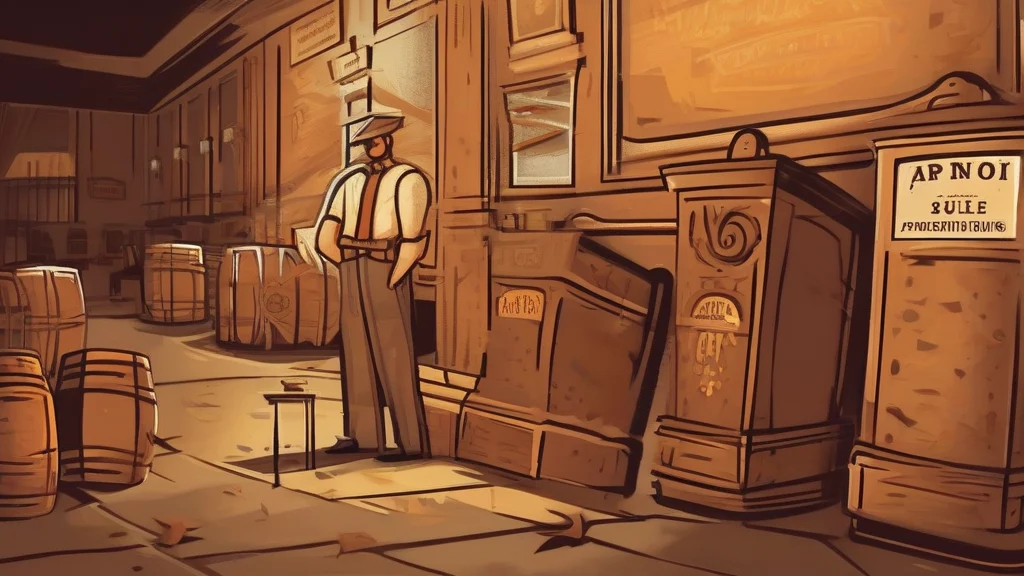
The United States' Prohibition made the sale of alcohol illegal nationwide from 1920 to 1933, turning a familiar word into a chapter in modern social history.
Reviewed by Deb Chak, Editor. AI-assisted content curated by RJS Tech Solutions LLP.
Where does prohibition come from?
The word comes through French prohibition from Latin prohibitio, a noun formed from prohibere, meaning “to forbid” or “to hold back.” The Latin root combines pro-, meaning “before” or “in front of,” with habere, meaning “to hold,” historically suggesting holding something back in advance. The English form was established by the early 15th century, with the verb “prohibit” appearing in the same general period. Related English words include “prohibitive,” meaning excessively high or restrictive, and “prohibitionist,” a supporter of prohibition.
Related word forms
How prohibition is actually used
The word is formal and often refers to an official, legal, or strongly enforced restriction. In general contexts, “ban” is usually more familiar and conversational.