
What does proofreader mean?
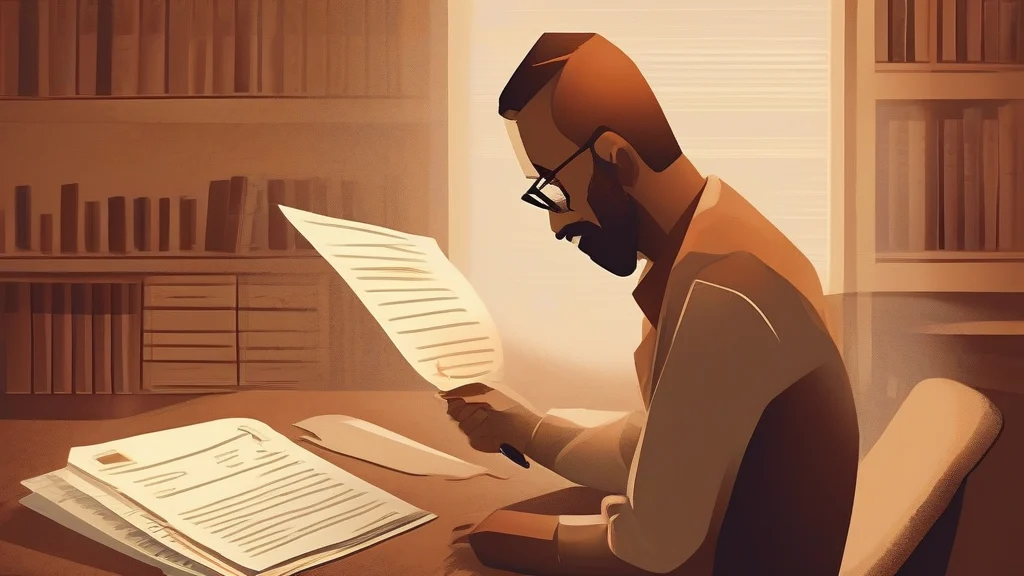
A proofreader is a person who checks written or printed material for mistakes before it is published, especially errors in spelling, punctuation, grammar, and formatting. The role is closely associated with publishing, journalism, printing, and document preparation, although proofreading software now performs many of the same checks automatically. Proofreading is generally more focused on correctness and presentation than on rewriting: a proofreader identifies and corrects errors, while an editor may also improve style, structure, and tone. In traditional print production, proofreaders worked from marked-up copy or a printed proof, the final version produced for checking. Today, the term remains common for both human reviewers and digital tools, though the broader role of copy editing often includes proofreading as one part of a larger editorial process.
nounA person who checks written or printed material for errors in spelling, punctuation, grammar, and formatting before it is published. The term can also refer to software or a service that performs this function.
- A person who checks written or printed material for errors in spelling, punctuation, grammar, and formatting before publication.
"The proofreader corrected several typographical errors before the manuscript went to print."
"She worked as a proofreader for a small academic publisher."
"The software acts as a proofreader, highlighting punctuation and spelling errors."
The regular plural of the noun is “proofreaders.”
"The magazine employs several proofreaders to review its pages."
Before the word processor, the proofreader’s red pencil was the last line of defense between a manuscript and the printing press.
Reviewed by Deb Chak, Editor. AI-assisted content curated by RJS Tech Solutions LLP.
Where does proofreader come from?
“Proofreader” is an English compound formed from “proof” and “reader,” reflecting the practice of reading a proof, or final printed version, to detect errors before printing. “Proof” comes through Middle English from Old English prof, related to the Latin verb probare, meaning “to test” or “to prove.” “Reader” is likewise English, formed from the Old English rædere, meaning “one who reads,” and ultimately connected to the Germanic root of “read.” The compound arose as the practice of checking printed proofs became established in the history of printing and publishing.
Related word forms
How proofreader is actually used
The word is used in professional publishing, journalism, printing, and other text-based work. In modern contexts, it may describe either a person or automated proofreading software.
Easily confused with proofreader
A proofreader primarily checks written material for errors and formatting problems, while a copy editor may also revise style, clarity, tone, and organization.