
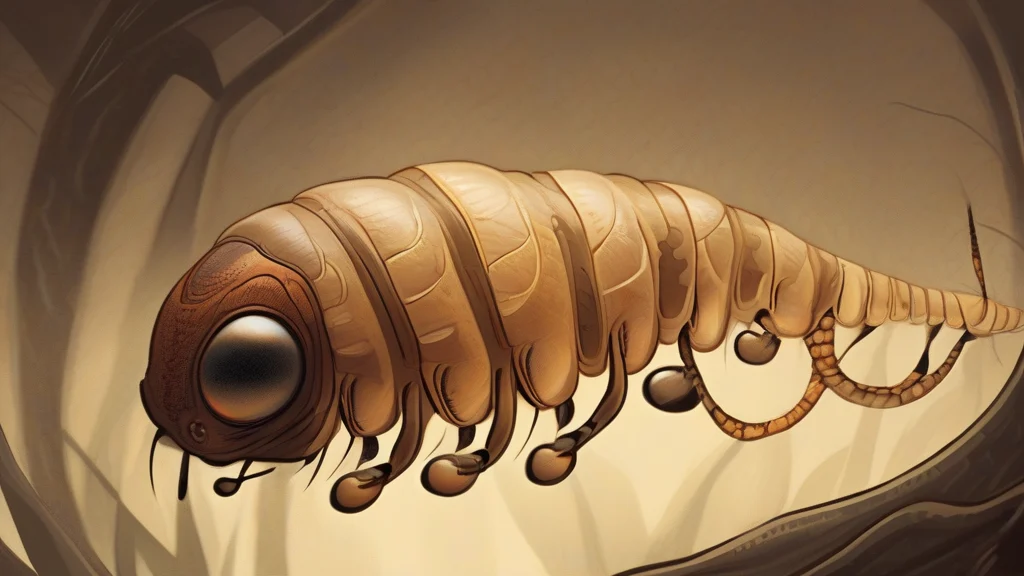
What does pupate mean?
Pupate means to become a pupa or to enter the pupal stage of development. The word is used chiefly for insects that undergo complete metamorphosis, such as butterflies, moths, beetles, flies, and bees. A caterpillar, for example, may pupate after it has finished feeding, often attaching itself to a surface or sheltering in soil, a cocoon, or a chamber in the ground. During the pupal stage, the insect undergoes a major reorganization of its body before emerging as an adult. “Pupate” is a formal scientific term rather than everyday vocabulary, although its unusual sound gives it occasional figurative use for describing a temporary transformation or transitional state. Its Latin connection also adds to its distinctive character: pupate derives from pupa, a word based on the Latin word for a doll or puppet, an apt comparison for the enclosed and transformed form of a developing insect.
verbTo become a pupa, especially during the metamorphosis of an insect. It is also used more generally for the process of developing into a dormant or transitional stage.
- To become a pupa or enter the pupal stage, chiefly of an insect undergoing metamorphosis.
"The caterpillars feed for several weeks before they pupate."
"The larvae pupate beneath the soil before emerging as adult beetles."
"In this particular species, the caterpillars pupate inside folded leaves."
A caterpillar may spend its final larval days growing, but it pupates only when its body begins one of nature’s most remarkable transformations.
Reviewed by Deb Chak, Editor. AI-assisted content curated by RJS Tech Solutions LLP.
Where does pupate come from?
Pupate was formed in English from pupa with the suffix -ate. The base comes from Latin pupa, meaning “doll” or “puppet,” and was later applied to the transitional stage of an insect’s development. Related English forms include pupal, pupiform, and puparium, all belonging to the same zoological and Latin-root vocabulary.
Related word forms
How pupate is actually used
This is chiefly a technical biological term, especially used in entomology. It is usually intransitive, with the larva or other organism as the subject.