
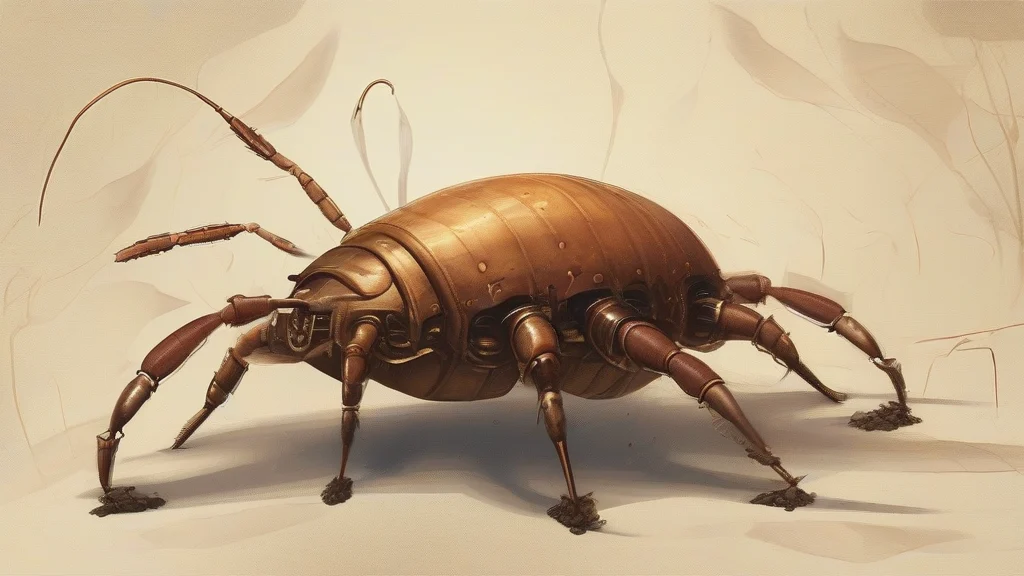
What does pygidium mean?
A pygidium is the posterior dorsal plate of an arthropod, particularly a crustacean such as a shrimp, crayfish, or lobster. It covers the final part of the body and may form a conspicuous fan-like tail, as in many decapods. In shrimps, the pygidium, together with the terminal abdominal segments, can be spread and moved to generate a sudden backward thrust, helping the animal escape a predator. The term is also used more broadly for the terminal dorsal region in other arthropod groups, although its form and function can vary considerably. Pygidia can provide useful anatomical features for distinguishing closely related species, making the structure important in zoology, taxonomy, and evolutionary studies. In ordinary conversation, the word is uncommon, but it gives a precise name to a clearly defined part of the arthropod body plan.
nounThe posterior dorsal plate or shield-like structure of an arthropod, especially a crustacean. It forms the terminal part of the body and covers the terminal segments.
- The shield-like plate at the posterior end of an arthropod's body, especially a crustacean.
"The crayfish uses its broad pygidium to propel itself backward through the water."
"The shrimp's segmented abdomen ends in a broad, fan-shaped pygidium."
"Researchers examined damage along the pygidium when identifying the species of the collected lobster."
The plural is pygidia.
"The specimens were distinguished by the shape and markings of their pygidia."
A crayfish can paddle backward in a rapid escape dive, using the muscular fanning motion of its abdominal tail and its broad pygidium.
Reviewed by Deb Chak, Editor. AI-assisted content curated by RJS Tech Solutions LLP.
Where does pygidium come from?
The term comes from New Latin, based on Ancient Greek πυγίδιον (pugídion), a diminutive of πυγή (pugḗ), meaning “rump” or “tail.” The diminutive formation reflects the pygidium's relatively small or specialized character as the terminal dorsal region of the body.
Related word forms
How pygidium is actually used
This is specialized zoological and anatomical terminology, used chiefly for arthropods rather than in general anatomical description.