
What does quaggier mean?
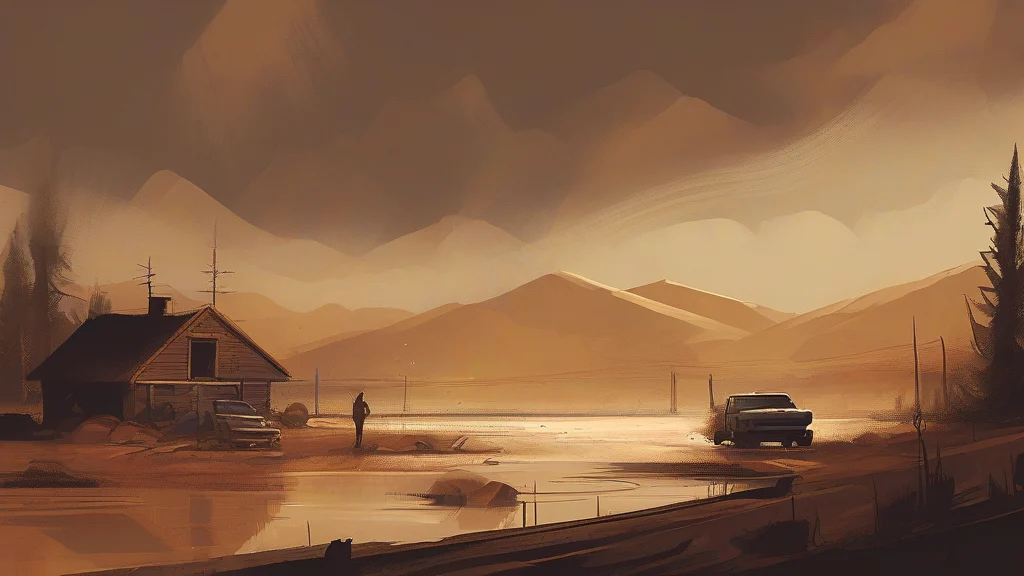
Quaggier is the comparative form of the adjective quaggy, meaning soft, wet, and yielding like boggy or marshy ground. It is used especially when comparing places or conditions: after rain, for example, a path may become quaggier and harder to cross. The word is evocative rather than technical, carrying a sense of dampness, instability, and the feeling that the ground may give way beneath a foot or wheel. It is most often applied to land, soil, paths, fields, or the vegetation of a wetland. Although uncommon in everyday speech, quaggy is well established in descriptive and literary English, while quaggier appears naturally in comparisons.
adjectiveSoft, wet, and yielding, like marshy ground; spongy or boggy.
- Soft, wet, and yielding, especially like marshland or boggy ground.
"The path became increasingly quaggier after the rain."
"Horses avoid the quaggier ground beside the river."
"After several days of rain, the meadow was quaggier than ever."
One step into the mire and the ground turns quaggier: soft, spongy, and distinctly unwilling to hold your weight.
Reviewed by Deb Chak, Editor. AI-assisted content curated by RJS Tech Solutions LLP.
Where does quaggier come from?
The adjective quaggy was formed from the older word quag, meaning a soft, marshy place, with the suffix -y. The development of the comparative quaggier follows the ordinary English pattern of adding -er to an adjective ending in -y. The related older stem quag is now largely obsolete outside the derived adjective.
How quaggier is actually used
This is a relatively uncommon adjective, chiefly used for wet, soft, marshy terrain. It is especially natural in British English but is also understood in American English.
Easily confused with quaggier
Quaggier is the comparative form of quaggy and describes something that is more boggy or yielding than something else.