What does rabbeting mean?
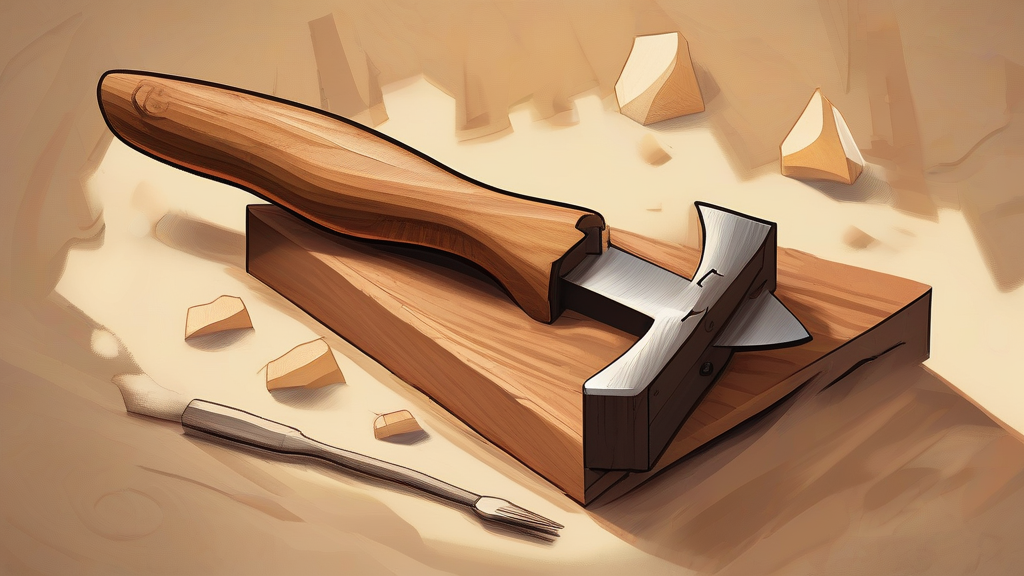
Rabbeting is a woodworking technique used to create a recessed area in a piece of wood. A rabbeting tool is a specialized chisel used to cut a rabbet, which is a groove or recess in the wood. The rabbet is often used to receive the edge of another piece of wood, such as in a door frame or a drawer. Rabbeting is an important skill for carpenters and woodworkers, as it allows for precise and accurate joinery. The term rabbeting is often used in conjunction with other woodworking terms, such as mortise and tenon. In general, rabbeting is a useful technique for creating strong and durable joints in woodwork.
A rabbeting tool used in woodworking.
"The carpenter used a rabbeting tool to create a precise rabbet in the door frame."
In woodworking, rabbeting refers to the process of cutting a recessed area in a piece of wood.
A recessed area in a piece of wood, often used to receive the edge of another piece.
"The rabbet in the drawer allowed it to fit snugly into the cabinet."
The plural form of rabbeting is used to refer to multiple recessed areas in a piece of wood.
"The cabinet had multiple rabbetings to accommodate different sizes of drawers."
Reviewed by Deb Chak, Editor. AI-assisted content curated by RJS Tech Solutions LLP.
Etymology of rabbeting
The term rabbeting is derived from the word rabbet, which refers to a recessed area in a piece of wood. The word rabbet is thought to have originated from the Old French word rabot, meaning 'to scrape' or 'to cut'. The term rabbeting has been used in woodworking since the 17th century, and has become an essential part of the craft.
How rabbeting is actually used
In woodworking, rabbeting refers to the process of cutting a recessed area in a piece of wood. The term is often used in conjunction with other woodworking terms, such as mortise and tenon.