
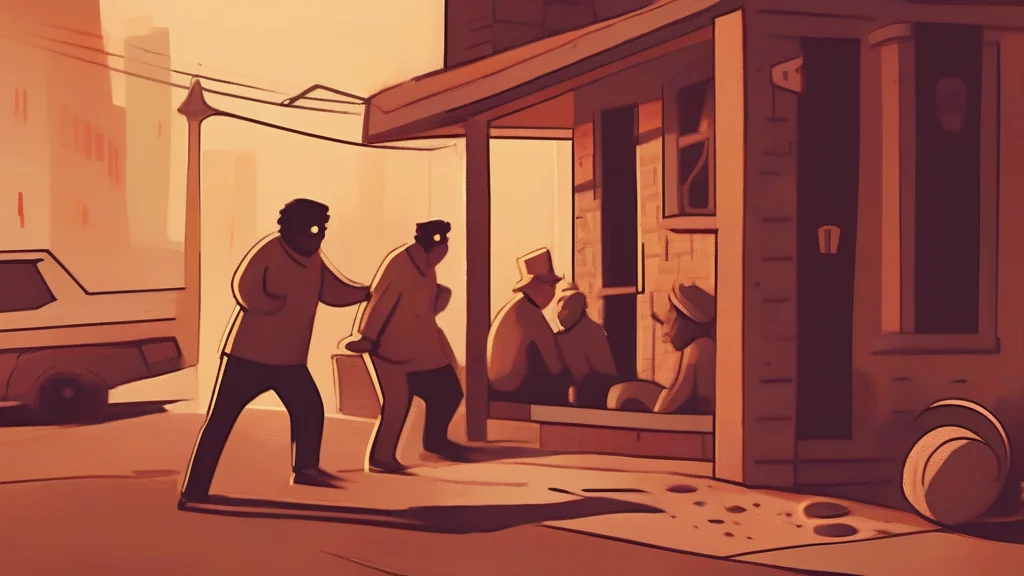
What does ragging mean?
Ragging means teasing, pestering, or tormenting someone, often through jokes, banter, or mock criticism. It is commonly associated with school, workplace, or group rituals in which newcomers are teased or subjected to harmless trials. Although ragging can sound harmless, it may become bullying when it is used persistently or with the clear intention of intimidating someone. In British English, ragging can also mean complaining noisily or criticizing a person or organization insistently, as in a complaint about inadequate public services. As a noun, ragging refers either to an instance of such teasing or to the practice generally. The word is informal in most of its uses and often conveys camaraderie when used in good humor, but it can carry threatening or hostile overtones depending on context and intent.
To tease, pester, or torment someone, especially as a joke or informal initiation ritual.
"The teammates kept ragging him until he joined in."
Often humorous, but the term can describe hostile or intimidating conduct when the teasing is persistent.
To complain noisily or criticize someone or something persistently.
"Residents have been ragging the council for months over the roadworks."
This sense is especially common in British English.
The practice of teasing or tormenting someone, or an instance of such behavior.
"There was some good-natured ragging before the ceremony."
The noun is usually informal and may describe traditional initiation rituals as well as everyday banter.
A noisy or persistent complaint.
"The website was flooded with ragging about the delayed orders."
Especially associated with British English.
A rare plural used for separate acts or instances of teasing or noisy complaint.
"The students endured several cheerful raggings before the end-of-term event."
Ragging has long been part of school and workplace banter—and in some places, a traditional rite of initiation for newcomers.
Reviewed by Deb Chak, Editor. AI-assisted content curated by RJS Tech Solutions LLP.
Where does ragging come from?
The word ultimately derives from English rag, an old term for cloth, but the precise development of its teasing sense is uncertain. Earlier uses of rag included scolding or criticizing, and the modern verb developed from these older British English senses. The word and its derivatives became established for informal teasing and noisy complaint during the modern English period.
Related word forms
How ragging is actually used
Ragging often carries a playful or humorous connotation when it means teasing, but it can imply intimidation when the behavior is sustained or hostile. The sense meaning persistent criticism is especially associated with British English.
Easily confused with ragging
Raging means being intensely angry, whereas ragging means teasing someone or making a noisy complaint.
Railing means complaining loudly or forcefully, while ragging usually means playfully teasing or pestering someone.