
What does rampion mean?
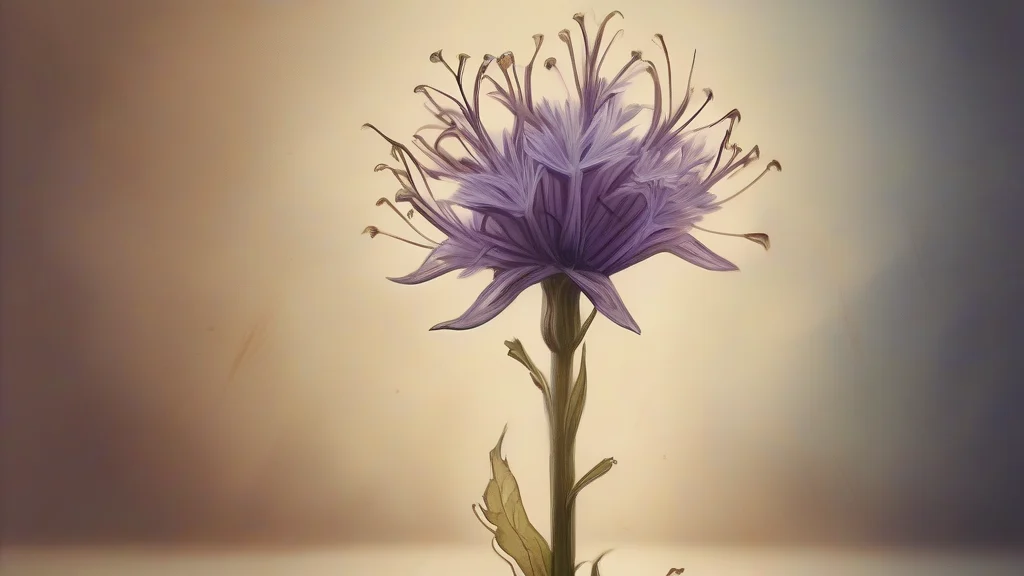
Rampion is an English noun referring either to a bellflower plant, Campanula rapunculus, or to its edible root. The root was formerly cultivated as a vegetable and can be eaten raw or cooked, with a flavor often compared to sweet turnip, radish, or chestnut. It may appear in salads, soups, and roasted vegetable dishes. Rampion is therefore both a botanical name and the name of an unusual food plant. Today, it is more familiar in British English and among gardeners or food enthusiasts than in ordinary American usage, where it remains uncommon. The word has an old-fashioned quality, but it points to a useful part of the plant that many modern cooks and gardeners may never encounter. Its combination of a delicate bellflower and a substantial edible root makes rampion an especially worthwhile word to know.
nounRampion is an edible, turnip-like root of the bellflower Campanula rapunculus, eaten raw or cooked. The name can also refer to the plant itself.
- The edible root of the bellflower Campanula rapunculus, formerly cultivated as a vegetable.
- The bellflower plant Campanula rapunculus itself.
"She roasted the rampion with herbs and served it alongside the roasted vegetables."
"The salad contained sliced rampion, bitter leaves, and a drizzle of olive oil."
"Rampion grew along the edge of the herb garden, its delicate bell-shaped flowers opening in summer."
The plural is grammatically standard but rarely needed; it is most natural when referring to individual roots.
"The market stall displayed bundles of fresh rampions."
Rampion turns a bellflower into an edible root—a modest garden plant with a surprisingly elegant culinary past.
Reviewed by Deb Chak, Editor. AI-assisted content curated by RJS Tech Solutions LLP.
Where does rampion come from?
The English word rampion dates from Middle English, when it was borrowed from Old French rampion. Its ultimate derivation is not securely established, and proposed connections with particular Latin plant names should be treated cautiously. The modern botanical referent is Campanula rapunculus, whose fleshy root has long been used as food.
How rampion is actually used
The word is chiefly horticultural and culinary and is uncommon in contemporary American English. In British usage, it may sound old-fashioned or literary rather than everyday.