
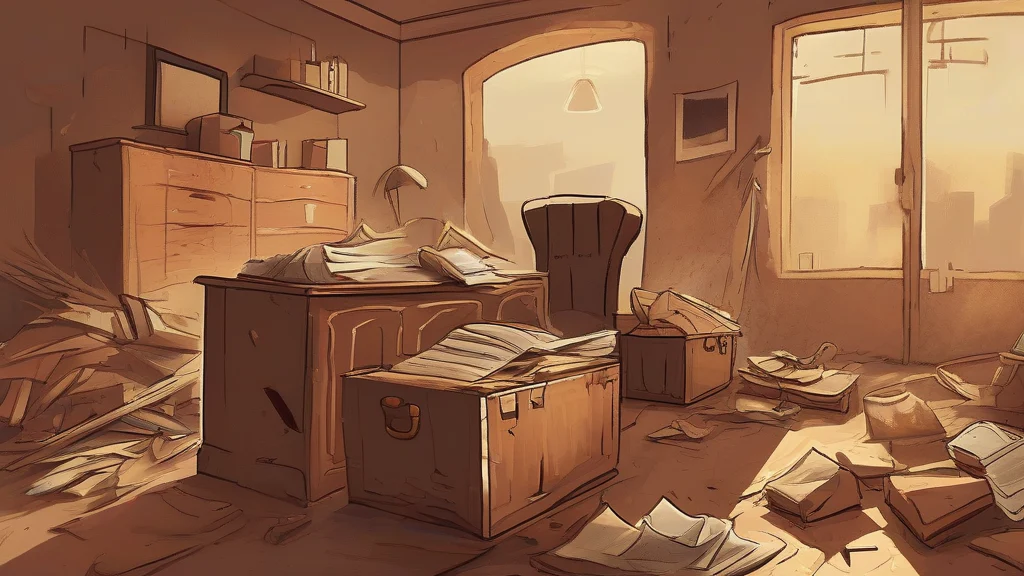
What does ransacked mean?
Ransacked is the past tense and past participle of ransack. In its most common sense, it means to search through a place or collection of things thoroughly, usually in a hurried or disorderly fashion: investigators may ransack an office, or a child may ransack a cupboard looking for a toy. The image of objects being turned over and scattered about is central to the word. Ransacked can also mean that a place has been plundered or looted, especially in descriptions of war, invasion, or crime. Although the search sense is now dominant, the older association with violent looting remains recognizable. The word is especially useful when a search was extensive, hurried, or left the area in disarray, rather than merely being a careful and methodical inspection.
verbTo search through something thoroughly, often leaving it disordered. It can also mean to plunder or loot a place completely.
- To search through a place or thing thoroughly and disorderedly, especially in search of something.
- To plunder or loot a place, taking everything of value.
"The investigators ransacked the office looking for evidence of the missing files."
"She ransacked the kitchen drawer looking for the missing keys."
"The soldiers ransacked the village after the resistance had been defeated."
Ransacking originally suggested violent plundering, but today it can simply mean an exhaustive search that leaves everything in a mess.
Reviewed by Deb Chak, Editor. AI-assisted content curated by RJS Tech Solutions LLP.
Where does ransacked come from?
The English verb comes from Dutch ransacken, a word meaning to plunder or search through in a disorderly way. It was used in English for both plundering and searching, and the latter meaning became especially common during the 20th century. The word's history reflects a long-standing association with rummaging, turning things over, and taking whatever can be found.
Related word forms
How ransacked is actually used
The word is especially common in contexts involving urgent, disorderly, or exhaustive searching. Its second sense, involving plunder, is more literary or historical and can imply violence or lawlessness.