
What does ratite mean?
A ratite is a large, flightless bird belonging to the taxonomic group Ratitae. The group is characterized by a flat, raft-like breastbone, reduced wings, and strong legs adapted for walking or running. It includes ostriches, rheas, emus, cassowaries, and kiwis, although these birds are not all closely related in the narrow evolutionary sense once implied by older classifications. The term is primarily used in zoology, paleontology, and evolutionary biology. In ordinary speech, individual species are usually called by their own names rather than being called ratites. The word is especially notable because ratites preserve features associated with an early stage of bird evolution and represent several independent examples of the loss of powered flight. Their distribution across South America, Australia, New Zealand, and New Guinea also makes them important subjects in studies of continental drift, dispersal, and biogeography.
nounA ratite is a large, mainly flightless bird belonging to the taxonomic group Ratitae, characterized by a flat, raft-like breastbone and reduced or absent wings. The group includes ostriches, rheas, emus, cassowaries, and kiwis.
- Any bird belonging to the taxonomic group Ratitae, generally a large flightless bird with a flat breastbone and reduced wings.
"The ostrich is the largest living ratite and the fastest bird on land."
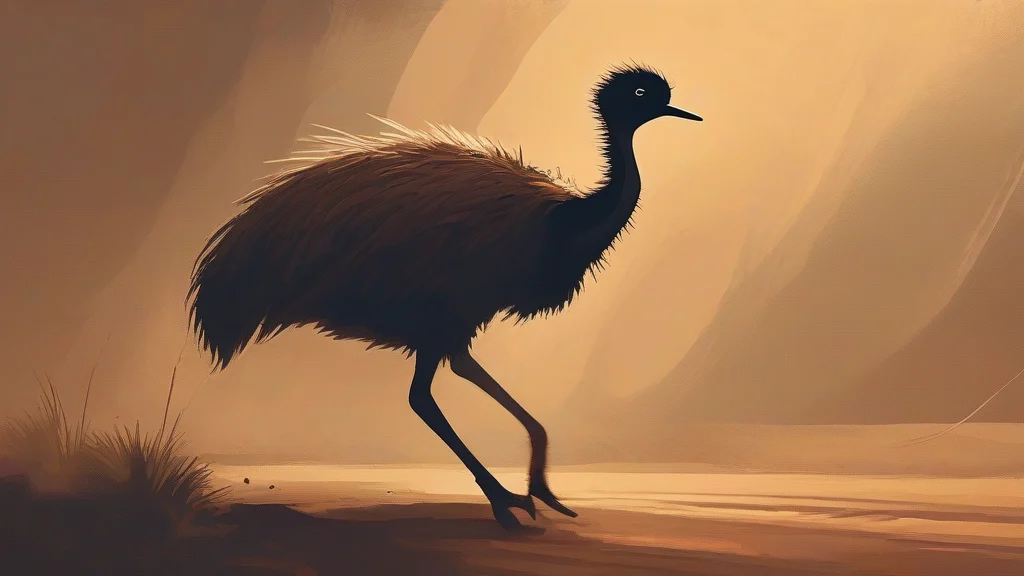
"The emu is a ratite native to Australia."
"Researchers compared the evolutionary history of different ratite species."
The plural is used when referring to multiple birds belonging to the group.
"Ostriches and emus are both ratites."
Ratites carry the lost architecture of an ancient plan: they are modern birds whose ancestors walked when the continents were still joined.
Reviewed by Deb Chak, Editor. AI-assisted content curated by RJS Tech Solutions LLP.
Where does ratite come from?
The word comes from New Latin ratitae, a plural form used for the bird group. Its deeper root is Latin ratis, meaning “raft,” referring to the raft-like or flat structure of the breastbone in these birds. The modern taxonomic term developed during the nineteenth century as naturalists sought names for groups of birds that lacked the keel of the breastbone associated with flight.
How ratite is actually used
“Ratite” is a taxonomic and scientific term rather than a common name for any single species. It is used especially in discussions of bird evolution, paleontology, and classification.
Easily confused with ratite
A rat is a small mammal, whereas a ratite is a large flightless bird in the taxonomic group Ratitae.