
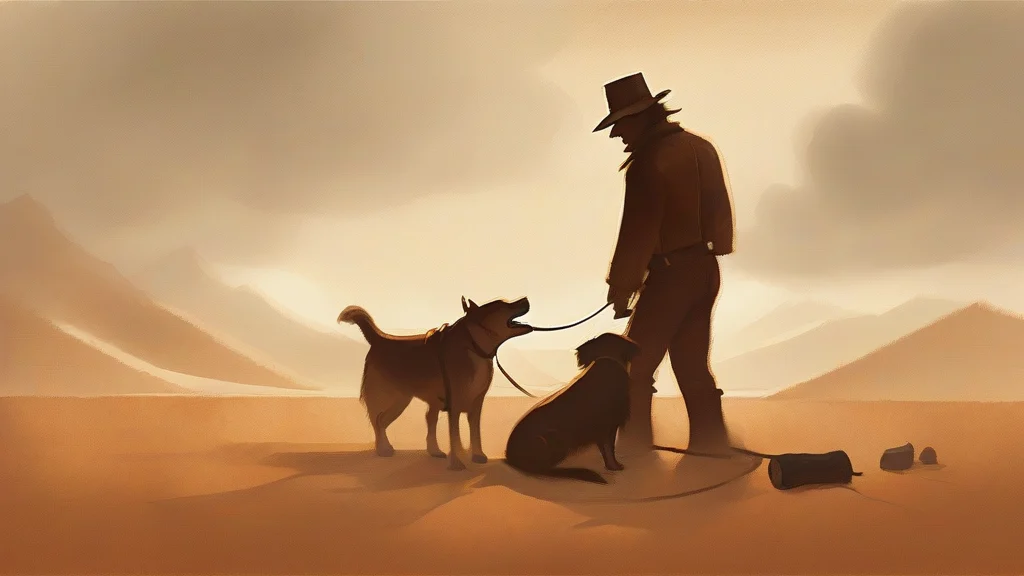
What does rawhide mean?
Rawhide is leather made from animal hide that has been left untanned or processed only minimally, although the term most often refers to cowhide. Unlike finished leather, rawhide is generally coarse, stiff, and exceptionally durable, and historically it was used for belts, ropes, bridles, shields, and other items requiring toughness. A strip of rawhide can also serve as a whip, giving the word its verb sense of whipping or beating someone with such a strip. Today, the noun remains common in leatherworking, ranching, historical writing, and craft contexts, while the verb is more often encountered in older American literature or descriptions of frontier customs. The word is a compound of “raw,” meaning untreated or unprocessed, and “hide,” the skin of an animal. Although modern tanning has made rawhide less necessary for many purposes, it continues to be valued for its strength and distinctive natural texture.
Untanned or minimally tanned leather, especially leather made from the hide of cattle; also, a strip of such leather used as a whip.
"The sleeves were reinforced with rawhide."
Modern usage most often refers to cattle hide; “rawhide leather” is a frequent explicit form.
To whip or beat someone with a rawhide strip.
"The workers were forbidden to rawhide the animals."
Chiefly American and associated with historical or frontier contexts; it may sound archaic or severe today.
Used for individual pieces or strips of rawhide leather; the plural is uncommon in ordinary modern speech but normal in craft, historical, and equipment contexts.
"The trader sold several rawhides at the market."
Before tanning transforms animal skin into supple leather, it can remain as tough, durable rawhide.
Reviewed by Deb Chak, Editor. AI-assisted content curated by RJS Tech Solutions LLP.
Where does rawhide come from?
The word is formed in English by combining “raw” with “hide.” “Raw” developed in Middle English from an Old English word meaning uncooked or untreated, while “hide” comes from Old English hyd, referring to an animal’s skin. The compound is attested in English by the early 17th century and originally referred to untanned leather.
Related word forms
How rawhide is actually used
In modern general use, the noun usually refers to coarse, minimally tanned leather rather than ordinary finished leather. The verb is chiefly American and has a strongly traditional, rural, or historical association; it can sound severe or archaic in contemporary contexts.