
What does razee mean?
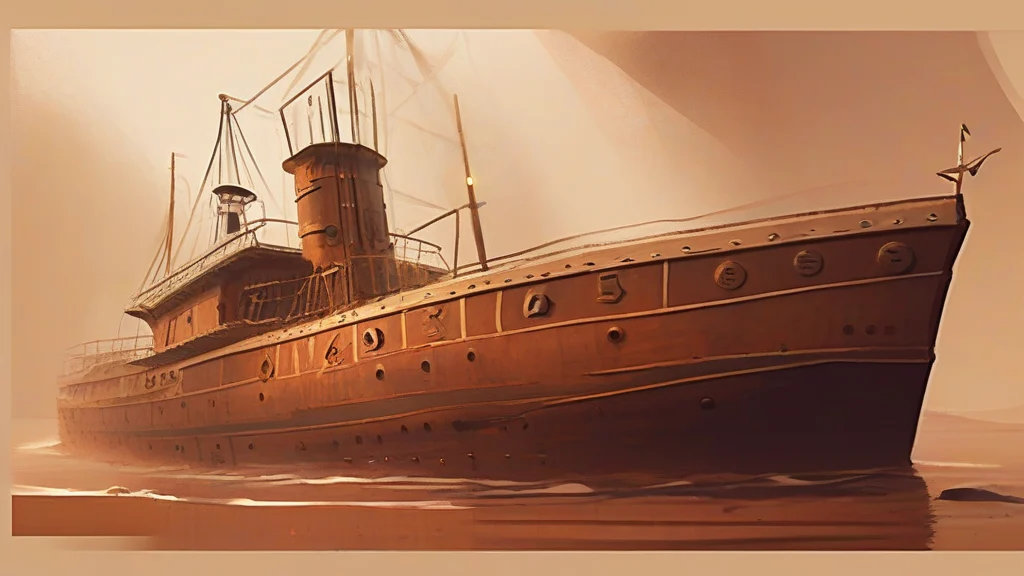
A razee was a small, fast-sailing vessel, particularly one built in India and familiar in European maritime trade during the late 18th and 19th centuries. These ships combined a shallow draught with an exceptional turn of speed, making them useful for coastal trading, privateering, carrying urgent dispatches, and escaping larger vessels. Although razees could carry cargo, their distinguishing characteristic was speed rather than size. The word is now chiefly historical, appearing in records and narratives concerned with the India trade, colonial shipping, and naval warfare. It survives in the vocabulary mainly as a reminder that small, locally designed vessels could play a significant role in international commerce before modern steamships and steel-hulled shipping vessels transformed the seas.
nounA small, fast-sailing vessel, especially one built in India and used in the late 18th and 19th centuries.
- A small, fast-sailing vessel, particularly a vessel of Indian origin employed in European trade and naval activity during the late 18th and 19th centuries.
"The merchants converted the cargo vessel into a razee capable of outrunning the pursuing frigate."
"The port records list several razees carrying cargo between India and the British Isles."
"Their shallow draught made razees valuable for coastal voyages and swift escapes into shallow water."
The plural is formed by adding -s.
"Several razees left the harbour before dawn."
Once prized for their speed, razees were among the smallest vessels in the age of sail.
Reviewed by Deb Chak, Editor. AI-assisted content curated by RJS Tech Solutions LLP.
Where does razee come from?
English borrowed the word in the late 18th century from Indian maritime terminology. It is generally traced to Hindi rāzīya, a term associated with speed, which in turn reflects Persian linguistic influence. The vessel entered English use through British commerce with India and became associated with small, swift Indian sailing craft.
How razee is actually used
The term is archaic and maritime. It is principally encountered in historical accounts of Asian trade, privateering, and naval operations rather than in modern everyday speech.