
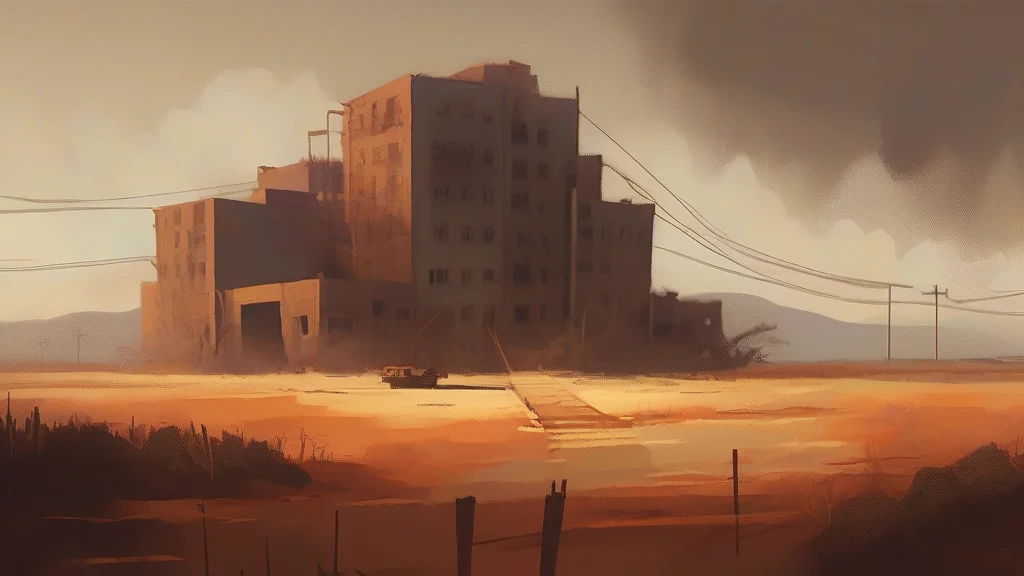
What does reclamation mean?
Reclamation is the recovery, restoration, or reuse of something that has been discarded, damaged, abandoned, or otherwise lost. The word is especially common in environmental and engineering contexts, where land reclamation means restoring degraded or disturbed land and waste reclamation means recovering useful materials from rubbish or industrial by-products. It can also describe the recovery of rights, territory, reputation, or an earlier position, as in the reclamation of land or political power. In everyday discussion, reclamation carries a broadly positive implication: rather than treating something as finished or worthless, it emphasizes repair, renewal, and the possibility of putting resources to good use. The term is generally formal and is often paired with “land,” “waste,” “resource,” or “urban.” Its usefulness lies in connecting practical ideas of restoration and recycling with broader notions of recovering what has been neglected or taken.
nounThe act of recovering, restoring, or reclaiming something that would otherwise be lost, discarded, or unused. It can refer to the recovery of land, natural resources, waste materials, rights, or a former position or condition.
- The process of recovering or restoring land, especially land that has been degraded, flooded, polluted, or used for industrial purposes.
- The recovery and reuse of materials from waste, including metals, paper, glass, and organic matter.
- The act of reclaiming rights, territory, reputation, or a former status, especially in a political or social context.
"The project transformed a disused industrial site through careful land reclamation."
"Salt-marsh reclamation can protect coastlines while creating new habitats."
"The factory's success depended partly on the reclamation of waste heat."
"The movement framed the campaign as the reclamation of traditional community rights."
Plural form is used for multiple acts or processes of reclamation, especially in legal, political, or environmental contexts.
"The two reclamations required years of negotiation and ecological restoration."
Reclamation turns what society has discarded or abandoned into something that can be valued again.
Reviewed by Deb Chak, Editor. AI-assisted content curated by RJS Tech Solutions LLP.
Where does reclamation come from?
Reclamation entered English in the late Middle English period, drawing on Old French reclamation and Latin reclamatio, a noun meaning “act of crying out” or “formal claim.” These forms were related to Latin reclamare, “to cry back, call for, or claim,” built from re- and clamare, “to cry.” The English word initially developed in the sense of recovering rights or making a claim; its modern environmental meanings are later extensions concerned with restoring land and recovering resources.
How reclamation is actually used
The term is formal and often used in environmental, engineering, legal, and political contexts. In environmental discussions, “land reclamation” specifically refers to restoring land that has been damaged or made unusable, while “waste reclamation” emphasizes recovering useful materials from waste.
Easily confused with reclamation
Reclamation means recovering, restoring, or reclaiming something, whereas recreation means an activity undertaken for enjoyment or relaxation.