
What does recreationally mean?
Recreationally is an adverb meaning in a way connected with recreation, enjoyment, or leisure. It describes activities undertaken for pleasure, relaxation, or personal interest rather than for work, obligation, or practical necessity. The word is especially useful when discussing how a place, program, or activity is used: a park may be visited recreationally, a facility may be designed for recreational purposes, and a game may be played recreationally rather than competitively. Its connotations are generally positive, suggesting voluntary leisure and enjoyment. Although the phrase “for recreation” is often more concise, “recreationally” gives writers a precise way to emphasize the manner and purpose of an activity. It is used in both British and American English and is neither highly formal nor especially informal.
adverbIn a way intended for enjoyment, relaxation, or leisure rather than for work or necessity.
- In a manner intended for recreation, enjoyment, or leisure.
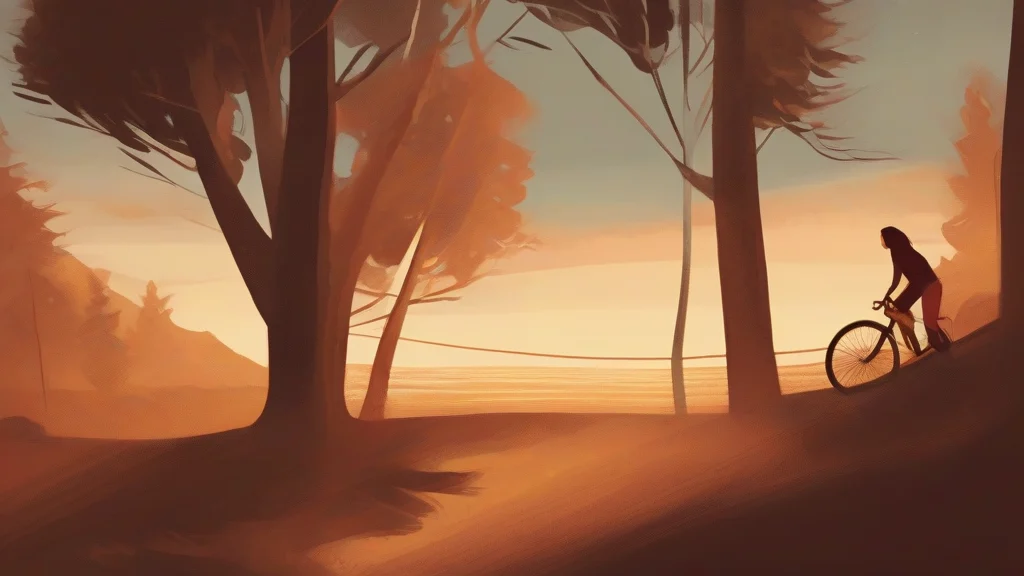
"She uses the old railway path recreationally, cycling and birdwatching at weekends."
"She uses the old railway path recreationally, cycling and birdwatching at weekends."
"The course is designed recreationally, combining practical exercises with games and social activities."
Recreationally is the adverb for admitting that an activity is being enjoyed for its own sake.
Reviewed by Deb Chak, Editor. AI-assisted content curated by RJS Tech Solutions LLP.
Where does recreationally come from?
The word belongs to the English family of recreation and recreational, which derive from Latin recreare, meaning to restore, refresh, or recreate. Latin re- and creare, “to create,” contributed the underlying sense of restoring or renewing. English initially used recreation for refreshment or rest, while later usage broadened the word to include leisure activities and amusement; recreationally was formed as the adverb corresponding to recreational.
How recreationally is actually used
This adverb is neutral and somewhat formal. It is especially common in descriptions of facilities, activities, and travel that emphasize leisure, enjoyment, or relaxation rather than work or necessity.