
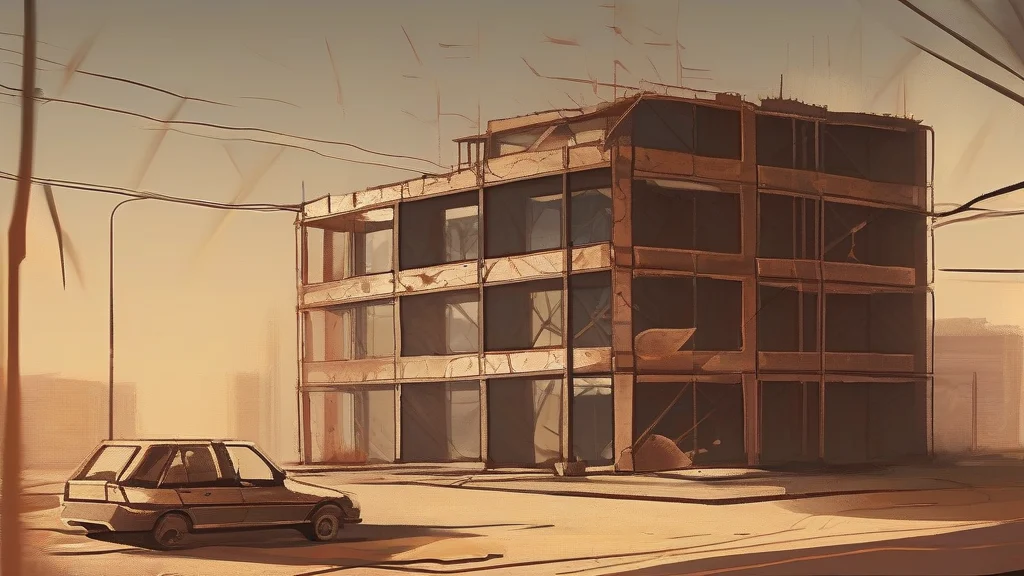
What does redeveloping mean?
“Redeveloping” means developing or rebuilding something again, with the strongest modern association being the transformation of an existing site, especially an urban or industrial area that has become vacant, obsolete, or neglected. A council, developer, or community may redevelop a former factory, railway station, or brownfield site for housing, offices, parks, or mixed uses. The word can also describe restoring a declining business, rebuilding local infrastructure, or renewing a personal capability. In these uses, “redeveloping” conveys purposeful renewal and a fresh phase of activity rather than simply continuing existing development. It is common in British and American English and is frequently used in planning, property, architecture, and local-government contexts. The expression can carry positive connotations of regeneration and economic opportunity, although it may also refer to redevelopment that displaces existing communities or businesses.
verbDeveloping or building something again, especially after a site has become vacant, obsolete, or neglected. It can also mean renewing an existing area, building, business, or capability.
- Developing or rebuilding an area, property, or site again, especially as part of urban renewal.
- Renewing or restoring something that has declined or fallen out of use.
- Developing a skill, business, or other resource anew.
"The city is redeveloping an abandoned industrial site into a mixed-use neighborhood."
"The developer is redeveloping the former railway station as offices and public space."
"After years away from the sport, she is redeveloping her technique and confidence."
A city can be redeveloped without being erased: the old site gets a second life.
Reviewed by Deb Chak, Editor. AI-assisted content curated by RJS Tech Solutions LLP.
Where does redeveloping come from?
“Redeveloping” is formed by combining the prefix re-, meaning “again,” with the base verb “develop.” “Develop” entered Middle English from Old French developper, ultimately from Latin roots associated with dis-, meaning “apart” or “un-,” and volvere, meaning “to turn” or “roll,” reflecting the original sense of unfolding something.
Related word forms
How redeveloping is actually used
The term is especially common in British and American English for the renewal of urban sites, former industrial areas, and brownfield land. It often implies substantial construction or regeneration rather than minor repair.