
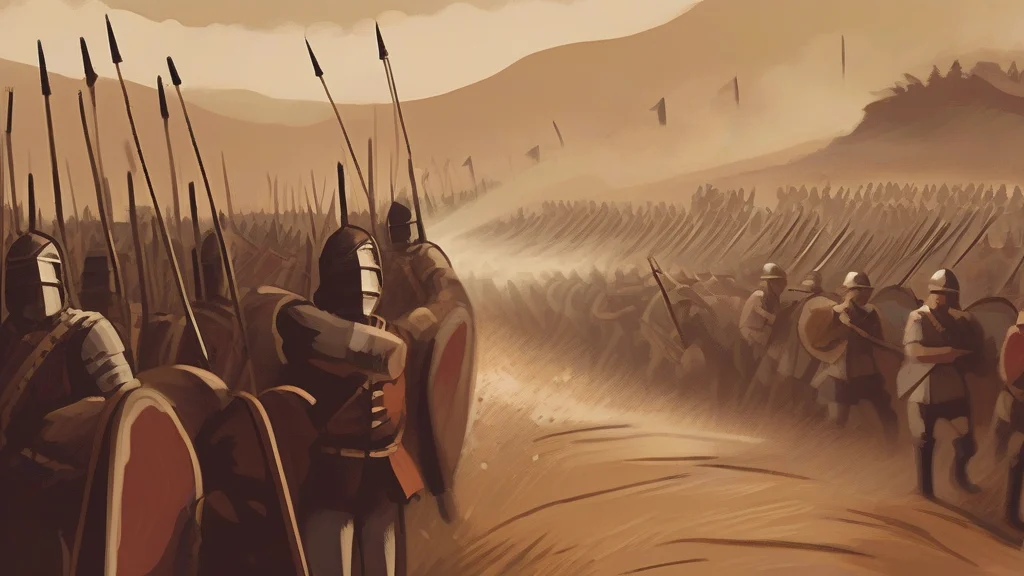
What does reenactment mean?
A reenactment is a staged recreation of an event that has already occurred, especially one from history. Performers may use documented dialogue, period costumes, authentic settings, and reconstructed customs to portray the event as faithfully as possible. The term is common for historical battles, ceremonies, political incidents, and public celebrations, and it is also used for televised or theatrical portrayals that claim to recreate past events. A reenactment is not merely a retelling: it presents the event through performance, allowing audiences to see and hear an interpretation of the past. Its accuracy can vary, so reenactments may be described as historical, documentary-based, traditional, disputed, or speculative depending on their sources and presentation.
nounA reenactment is the act of recreating or performing a previous event, especially a historical event. It may involve actors, costumes, scenery, and dialogue based on historical records.
- The recreation or performance of a past event, especially a historical event.
- A staged representation of an event based on historical evidence and intended to reproduce its character or sequence.
"The museum presented a reenactment of the signing of the treaty."
"The festival featured a reenactment of the town's medieval charter ceremony."
"Historians debated whether the television drama was an accurate reenactment or a highly speculative interpretation."
The plural is used for separate performances or representations of past events.
"The production included several reenactments of famous courtroom trials."
A reenactment turns history from something we read about into something we can witness, with real people recreating the decisions, conflicts, and moments of the past.
Reviewed by Deb Chak, Editor. AI-assisted content curated by RJS Tech Solutions LLP.
Where does reenactment come from?
The word is formed from the verb reenact with the suffix -ment. The prefix re- indicates repetition, while enact is based ultimately on the Latin actus, from agere, meaning “to do” or “to act.” The noun belongs to the vocabulary of historical performance and developed in the 19th century as a term for reproducing earlier events.
Related word forms
How reenactment is actually used
Usually refers to a deliberate recreation of a past event, often with historical costumes and scenery. It is common in discussions of battles, ceremonies, disasters, political events, and historical documentary dramas.
Easily confused with reenactment
An enactment is the act of making something binding, such as a law, whereas a reenactment is a recreation of an event that has already happened.