
What does reformation mean?
Reformation usually denotes the deliberate improvement or transformation of an institution, practice, system, or person. In public and historical contexts, it often implies change that is extensive, organized, and intended to correct defects or replace outdated structures. The word may describe political, educational, religious, or moral renewal, and it can also name the Protestant Reformation, the 16th-century movement that transformed Western Christianity and contributed to the spread of Protestantism. Although “reform” is closely related, “reformation” tends to emphasize the broader process of reshaping rather than a single proposed or enacted measure. Reformation can have a positive tone when associated with improvement or renewal, but in discussions of religious and political history it is often neutral, allowing the significance and consequences of the change to determine its evaluation.
nounAn act of improving, changing, or reorganizing something, especially an institution or system. It may also refer to a major historical religious movement, particularly the Protestant Reformation.
- The deliberate improvement, restructuring, or transformation of an institution, system, or practice.
- A moral or personal transformation, especially one involving the correction of behaviour or character.
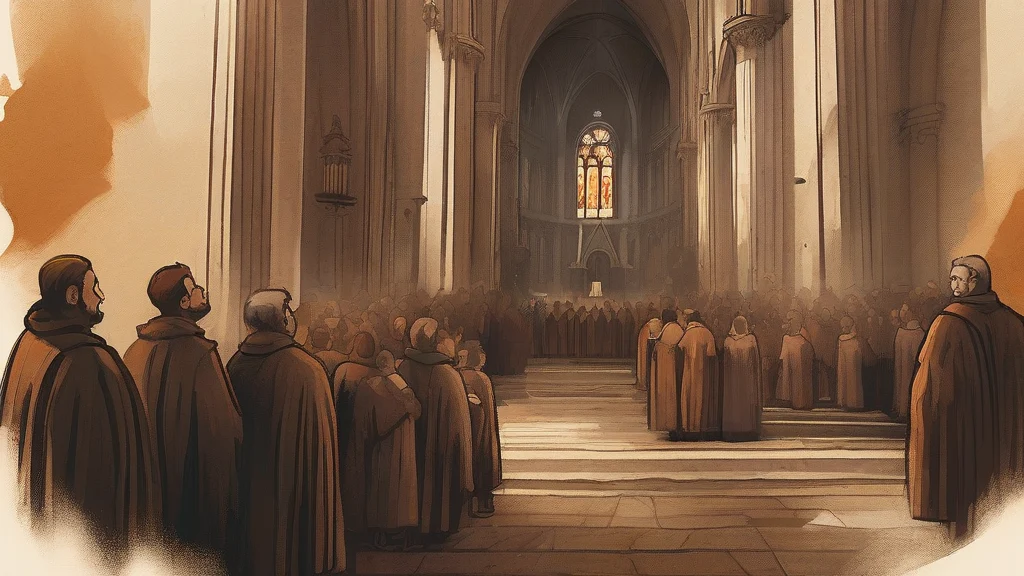
- The Protestant Reformation, the religious movement that began in Europe during the 16th century and led to the establishment of Protestant churches.
"The organization underwent a sweeping reformation that made its services more accessible."
"The proposed reformation of the tax system has prompted a national debate."
"Through years of self-examination, she experienced a profound moral reformation."
Used when referring to multiple transformations, distinct periods of institutional change, or separate religious reformations.
"The country's successive political reformations each sought to expand public participation."
Reformation can mean transforming a system—or naming the 16th-century upheaval that fractured Western Christianity.
Reviewed by Deb Chak, Editor. AI-assisted content curated by RJS Tech Solutions LLP.
Where does reformation come from?
The word dates from the late Middle English and comes from Latin reformatio, a noun formed from reformare, meaning “to shape again” or “to reform.” Reformare combines re-, meaning “again,” with formare, meaning “to shape” or “to form.” The same Latin foundation produced English reform, reformer, and reformist, as well as cognates in several other European languages.
Related word forms
How reformation is actually used
The word is formal and usually implies substantial or deliberate change. When referring specifically to the major 16th-century European religious movement, it is normally capitalized as “the Reformation”; the lowercase form is also used more generally for religious renewal or institutional change.
Easily confused with reformation
A reform is a proposed or enacted change, while a reformation is the broader process of reshaping or improving something.