
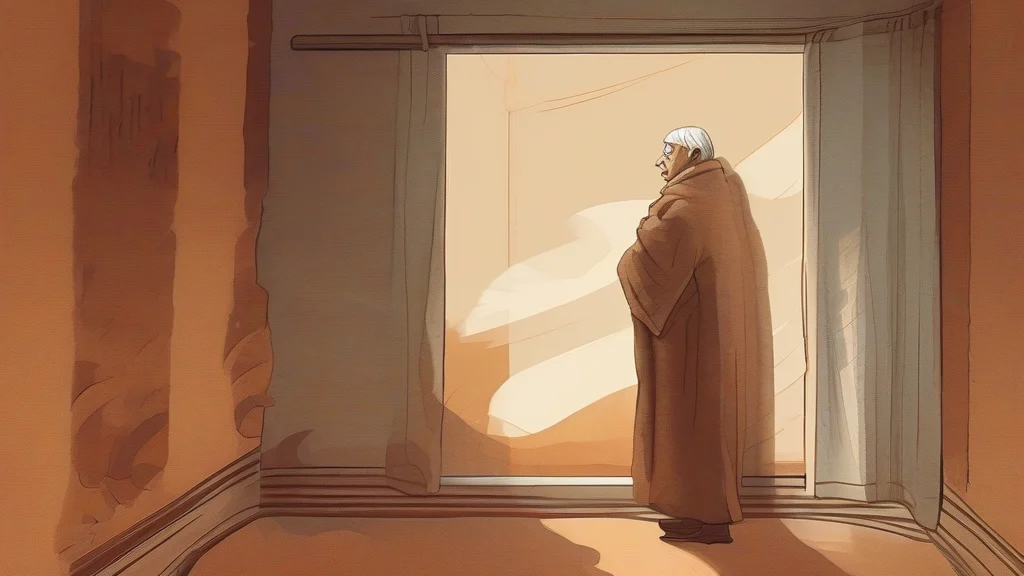
What does rimple mean?
Rimple is a rare verb meaning to wrinkle, crease, or crumple something, especially fabric or another flexible material. It can describe a deliberate action, as when someone carefully rimples a piece of cloth, or an involuntary change in a surface, as when wind rimples the face of a lake. The word is close in meaning to rumple, wrinkle, and crumple, but its usage is more literary and often suggests distinct, irregular folds rather than general untidiness. It can also be used intransitively, especially of fabric or water. Although it may sound archaic, rimple remains a precise and vivid choice for describing the formation of creases. In everyday speech, rumple is usually more natural, while wrinkle is the broadest and most familiar alternative. Rimple is consequently especially useful in formal prose, poetry, and descriptive writing where attention to texture and surface is important.
verbTo wrinkle or crumple, especially fabric or another flexible material. It can also be used intransitively for cloth that becomes creased.
- To wrinkle, crease, or crumple fabric or another flexible material.
- To become wrinkled or creased, especially when handled or compressed.
"She carefully rimpled the silk before placing it in the suitcase."
"The breeze rimpled the surface of the lake."
"Do not rimple the fabric while ironing it."
Rimple is the more literary cousin of rumple: if cloth has been folded carelessly, it has been rumpled; if it has been creased with stylish precision, it has been rimpled.
Reviewed by Deb Chak, Editor. AI-assisted content curated by RJS Tech Solutions LLP.
Where does rimple come from?
The word is a variant of rumple and appears in older English, where it was used with the meaning of wrinkling or crumpling. Its relationship to rumple reflects the closely related forms found in Middle English for making uneven folds or creases. Modern usage is uncommon, and the verb is now encountered chiefly in literary or historical contexts.
Related word forms
How rimple is actually used
Rimple is uncommon in modern standard English and sounds literary or old-fashioned. It is somewhat more suggestive of pronounced, irregular creases than the broader and more familiar rumple.
Easily confused with rimple
Rimple and rumple both mean to wrinkle or crumple, but rimple is much rarer and tends to suggest a sharper or more deliberate creasing.
A dimple is a small, usually rounded indentation in the skin, fabric, or another surface, whereas rimple is a verb describing the formation of wrinkles or creases.