
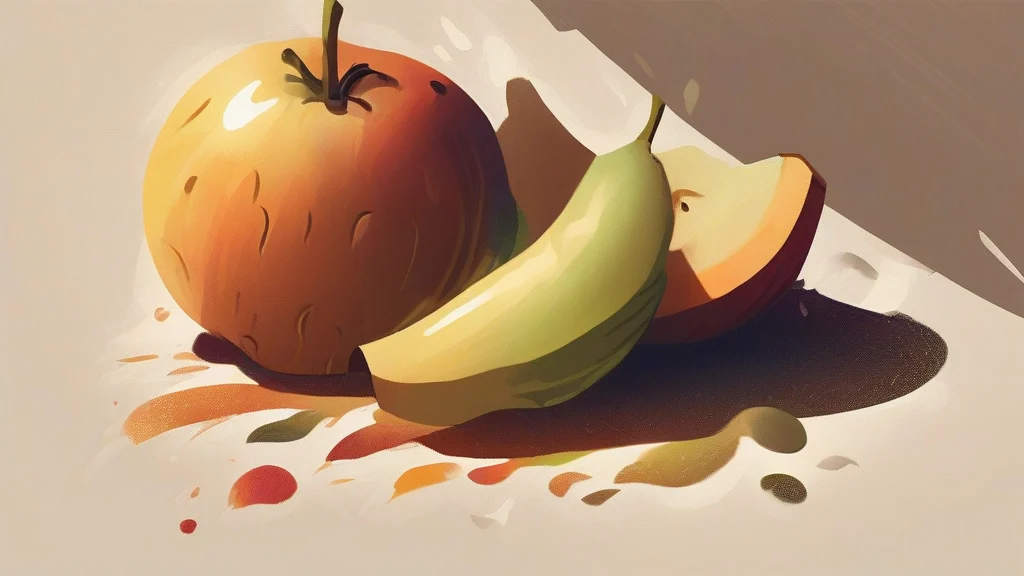
What does ripeness mean?
Ripeness is a noun describing the condition of being mature, fully developed, or ready to be used. In its most familiar sense, it refers to fruit or other foods that have reached the stage at which they can be eaten pleasantly, often marked by softness, sweetness, aroma, or a change in color. The word also has an abstract use for the point at which a person, opportunity, institution, plan, or artistic process has developed enough to flourish. This figurative sense often carries a favorable implication, suggesting readiness and potential rather than merely chronological age. Ripeness is especially useful when describing development as a gradual process with a natural endpoint. It is related to the adjective ripe and the verb ripen, and it can evoke both the sweetness of edible fruit and the fulfillment that comes with maturity.
The state of being fully ripe or mature, especially the condition of fruit ready to eat.
"The warm weather brought the apples to ripeness."
A state of full development, maturity, or readiness, especially in a person, opportunity, institution, or process.
"Her years of experience brought a rare ripeness to her leadership."
The plural is possible but uncommon; in most writing, ripeness is used as a mass noun or in the singular.
"The critic described the contrasting ripenesses of the two musical traditions."
Ripeness describes more than fruit: it is also the moment when a plan, talent, or opportunity reaches full potential.
Reviewed by Deb Chak, Editor. AI-assisted content curated by RJS Tech Solutions LLP.
Where does ripeness come from?
Ripeness was formed in English by adding the suffix -ness to the adjective ripe, producing a noun meaning the state or condition of being ripe. The adjective itself descends from Old English rīpe, used of fruit and grain and also in figurative senses. The verb ripen developed through the same root and follows a parallel semantic pattern: fruit ripens, and by extension a person, plan, or opportunity becomes mature.
How ripeness is actually used
The word is common in descriptions of fruit and food, but its figurative use, especially for people, opportunities, or creative work, is more formal and literary than everyday usage.
Easily confused with ripeness
Ripeness is the noun naming the state of being ripe, while ripen is the verb describing the process of becoming ripe.