
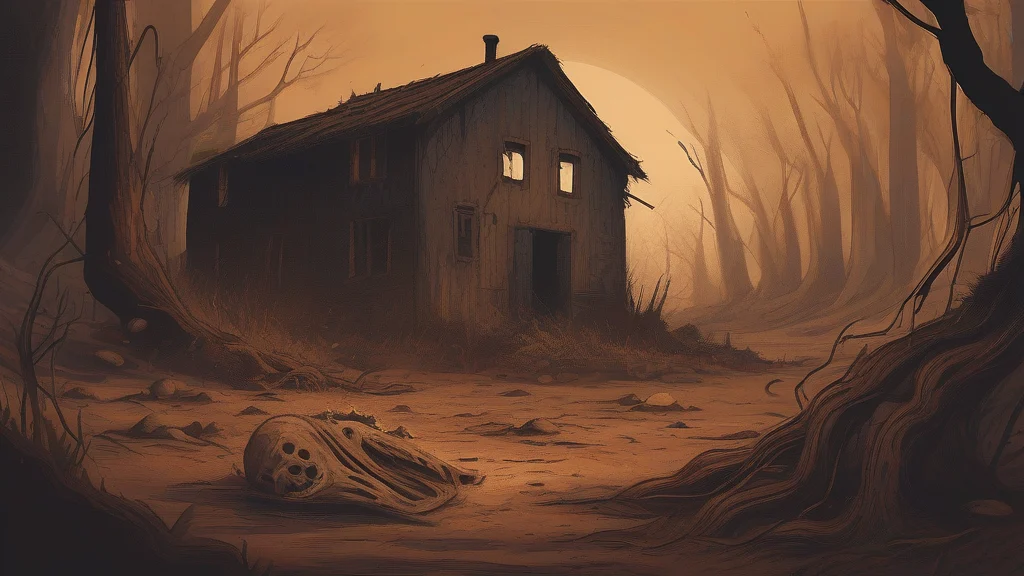
What does rotting mean?
Rotting means undergoing decay or decomposition, especially through the action of bacteria, fungi, or other natural processes. In its literal sense, it describes organic matter such as fruit, wood, or animal remains breaking down. Figuratively, it can describe institutions, reputations, or values gradually deteriorating, often with the implication that the decay has been allowed to continue unchecked. The word comes from the Old English root rot, associated with decay and deterioration, and is closely related to rotten, meaning decayed or of poor quality. Rotting is useful because it makes the idea of slow deterioration vivid while also distinguishing physical decomposition from metaphorical moral or institutional decline.
To undergo decay or decomposition, especially through natural biological processes.
"The vegetables began rotting in the warm pantry."
Can also be used figuratively for the deterioration of institutions, values, or reputations.
Decaying or undergoing deterioration; often used before a noun to describe something in that condition.
"They left the rotting boards on the porch."
Commonly used attributively, as in “rotting food” or “a rotting system.”
Rotting is nature's recycling program: organisms break down dead material and return its nutrients to the ecosystem.
Reviewed by Deb Chak, Editor. AI-assisted content curated by RJS Tech Solutions LLP.
Where does rotting come from?
The word derives from the Old English rot, meaning decay or corruption, which was related to the Germanic root underlying forms such as rotten and rotter. The present participle rotting developed within English from the verb rot. The same root also appears in cognates in other Germanic languages, including Old Norse rot, meaning decay or rot.
Related word forms
How rotting is actually used
The word often suggests a gradual, visible process. It is used literally for organic material and figuratively for institutions, values, and reputations.
Easily confused with rotting
No distinct confusion applies here; this entry concerns the present participle of rot.