
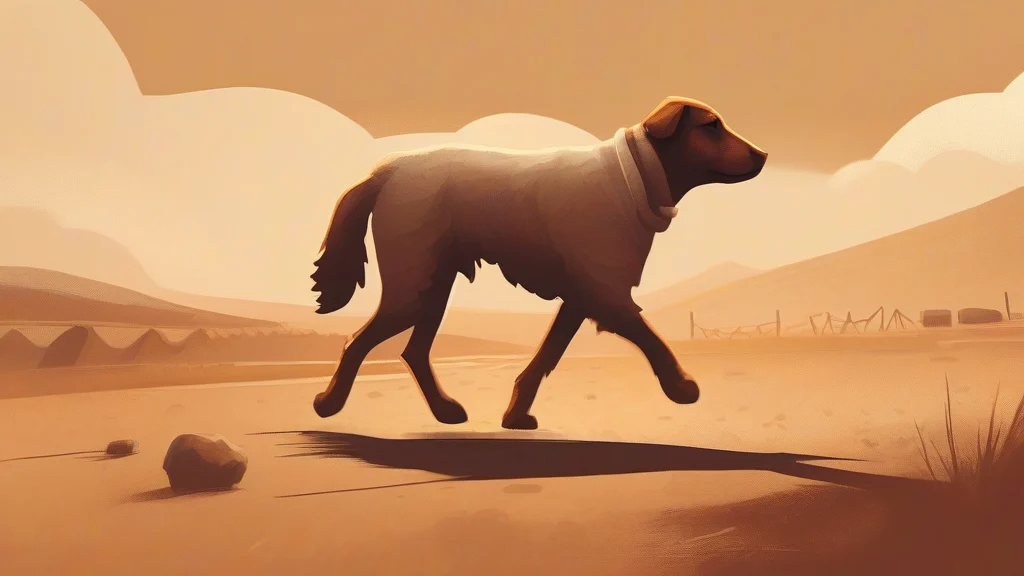
What does rover mean?
Rover is a word with two widely familiar strands of meaning. In ordinary use, a rover is someone who wanders or travels without settling permanently; the term often carries a slightly literary or informal air, but it can also be neutral in phrases such as “lunar rover.” In space exploration, a rover is a mobile robotic vehicle built to travel across terrain and conduct scientific observations. The word therefore links a person’s mobility with the independent movement of machines. It is useful because it is compact and memorable, yet broad enough to suggest wandering without insisting on any particular destination. In historical writing, rover may sound more evocative than traveller or wanderer, giving a phrase a sense of freedom, adventure or even aimlessness. In modern technical contexts, however, it is a technical label rather than a metaphor: the Apollo lunar rovers and robotic planetary vehicles made the term especially vivid.
nounA person who roves or wanders; a traveller or wanderer. In modern technical usage, it can also mean a mobile robotic vehicle designed to explore planetary or other difficult terrain.
- A person who wanders or travels without a fixed home.
- A mobile robotic vehicle designed to explore terrain, especially on the Moon or another planet.
- A vehicle designed to travel over varied or difficult ground.
"The rover crossed the dusty plain, sending images of the distant mountains back to Earth."
"A rover in a red scarf wandered into the village asking for directions."
"The mission controllers watched the rover navigate between rocks on the Martian surface."
The plural is rovers. As a count noun, rover can be singular or plural.
"Two rovers were sent to explore the edge of the crater."
From solitary wanderers to the robotic vehicles that explored the Moon and Mars, a rover has always been built to roam.
Reviewed by Deb Chak, Editor. AI-assisted content curated by RJS Tech Solutions LLP.
Where does rover come from?
The word entered Middle English through Anglo-Norman rover, a term for a wanderer, and ultimately derives from Germanic roots associated with wandering or roaming. It is closely related to the verb rove, from which its older wanderer sense developed. In the twentieth century, rover was adopted for mobile vehicles that explored the Moon and other planets, extending the word’s long association with movement across distance.
How rover is actually used
For a person, rover is relatively uncommon and often sounds literary or informal, especially in British English. For an exploration vehicle, it is a standard technical term used internationally.