
What does rue mean?
Rue has two notably different modern uses. As a noun, it names a strongly scented evergreen herb with small yellow flowers, long associated with traditional herbal remedies and folk beliefs. As a verb, rue means to regret something, especially a decision or experience that later proves painful or unwise. The verb appears in phrases such as 'rue the loss' and 'rue the day,' giving it a formal and somewhat literary tone. Although the senses seem unrelated, both belong to a word with old historical roots. In ordinary conversation, someone may say they regret or repent of something rather than use rue, but rue remains useful when expressing regret with formal emphasis. The plant sense is also relatively specialized, so context usually makes the intended meaning clear.
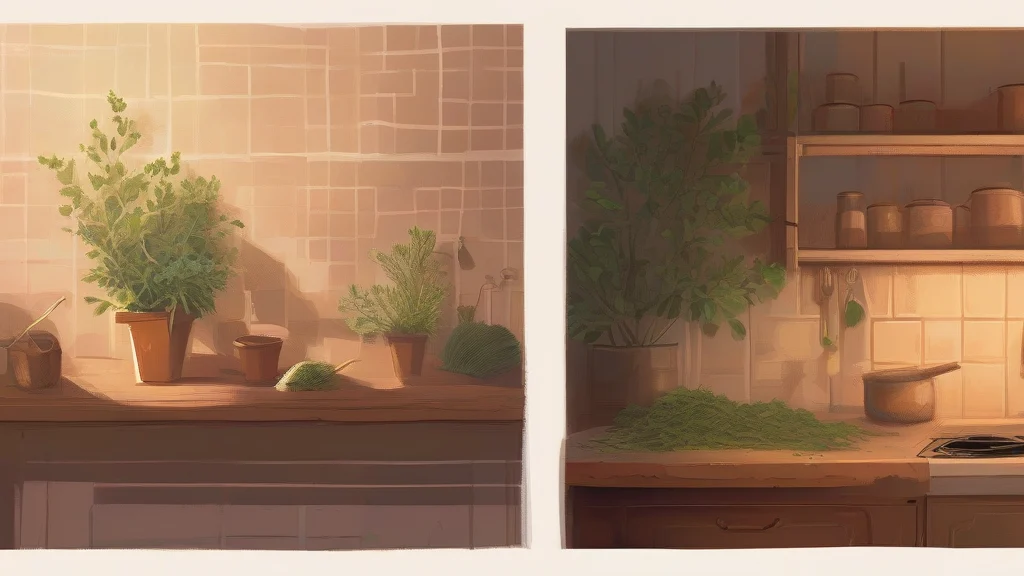
An aromatic evergreen herb or shrub, with divided leaves and small yellow flowers, traditionally used in herbal preparations.
"A bunch of rue was hung near the window to preserve its strong scent."
As a botanical and herbal term, rue is more specialized than garden or culinary vocabulary.
To regret or feel remorse about a past action, decision, or misfortune.
"They came to rue the decision to abandon the project."
Commonly used in formal or literary prose, especially in constructions such as 'rue the loss' and 'rue the day.'
The plural is uncommon; rue is often used as an uncountable noun when referring to the plant or its material.
"The garden contained several clumps of rue."
Rue is both a pungent herb and a verb for expressing regret: the plant has a long history in folk medicine, while the verb survives in the familiar phrase 'rue the day.'
Reviewed by Deb Chak, Editor. AI-assisted content curated by RJS Tech Solutions LLP.
Etymology of rue
The noun meaning the herb comes through Old French rue from Latin ruta, the name of the plant; the word ultimately reflects Greek rhytē, referring to the same herb. The verb meaning to regret entered Middle English from Old French ruer, a development historically associated with the idea of turning one's attention back toward a past action. Modern forms rueful and ruefully derive from the older English verb.
Related word forms
How rue is actually used
The verb rue is formal or literary in modern English and is often followed by the thing regretted: 'to rue the loss' or 'to rue one's decision.' The noun meaning the herb is uncommon in everyday speech and may refer to the plant or to dried material used in preparations. The older sense of rue as sorrow is chiefly literary or archaic.
Easily confused with rue
Rue can mean a medicinal herb or, as a verb, to regret something, whereas a ruse is a deceptive trick or stratagem.