
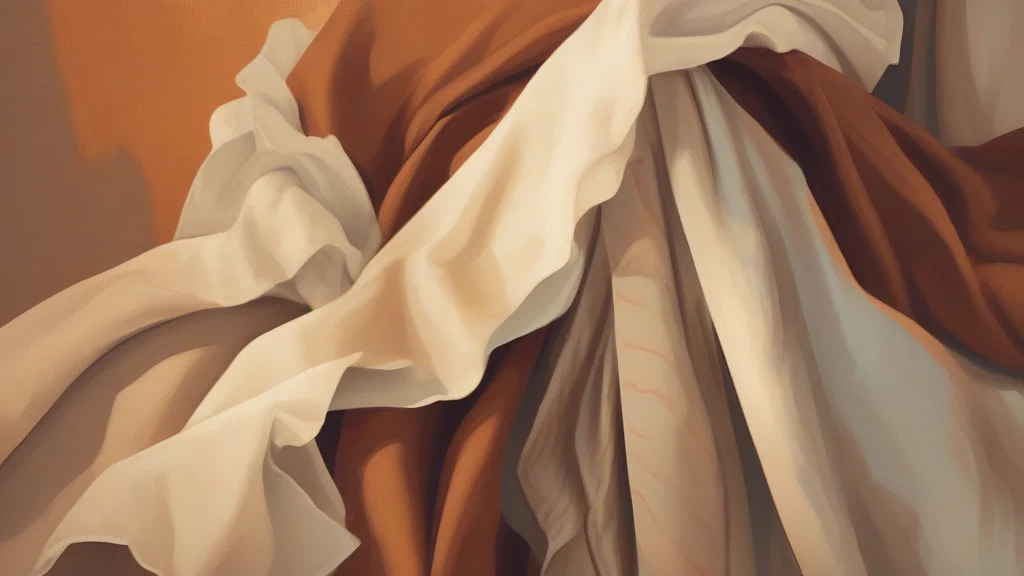
What does ruffling mean?
“Ruffling” is the present participle of “ruffle,” an English verb with several related meanings. Most commonly, it describes the movement caused when a breeze disturbs water, grass, fabric, feathers, or hair. The word can also mean to make something less neat or orderly, as when wind ruffles clothing or birds ruffling their feathers. In social contexts, “ruffling” suggests disturbing someone’s calm or provoking irritation, excitement, or controversy. It is a versatile word because it can apply to physical movement, emotional reactions, and figurative disruption. The form is used in both everyday speech and formal writing, with the intensity ranging from a slight disturbance to a significant agitation. As a present participle, it can also follow the verb “be,” as in “The water was ruffling in the wind.”
To stir or agitate a surface lightly, especially water, fabric, feathers, or air.
"The breeze was ruffling the surface of the pond."
Often describes a temporary or gentle movement of a surface.
To disarrange or make something less smooth, neat, or orderly.
"He ruffled the pages of the book while searching for his note."
The word often suggests a small but visible disruption.
To disturb someone’s composure or cause irritation, excitement, or controversy.
"The announcement ruffled several members of the audience."
This figurative use is common in formal and literary contexts.
A breeze can rufflingly disturb a calm surface, while the same word can describe someone who is deliberately stirring up trouble or excitement.
Reviewed by Deb Chak, Editor. AI-assisted content curated by RJS Tech Solutions LLP.
Where does ruffling come from?
The word comes from the English verb “ruffle,” whose early forms are associated with making something uneven, disordered, or agitated. The verb developed from Middle English roots related to “ruff” and possibly to “rough,” reflecting the movement or irregularity of cloth, feathers, or hair. The older noun “ruff,” meaning a projecting or frilled collar, belongs to the same family of meanings associated with folded or disordered material.
Related word forms
How ruffling is actually used
The word is often used for gentle, temporary disturbances, but it can also describe a more noticeable emotional or social reaction. In phrases such as “ruffling feathers,” it means provoking annoyance or offense.
Easily confused with ruffling
“Ruffling” is the present participle or ongoing form of the verb “ruffle,” while “ruffle” is the base form and can also function as a noun.
“Ruffling” means to stir, disturb, or disarrange, whereas “riffle” usually means to shuffle or flick through cards or to make a low rippling sound.