
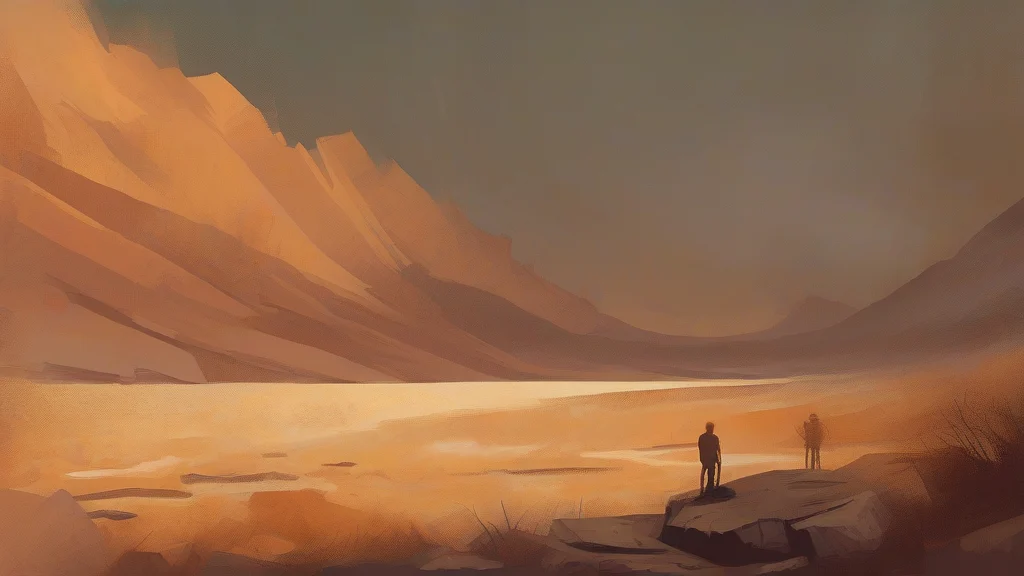
What does rugged mean?
Rugged describes a surface or landscape that is rough, irregular, and difficult to travel across, and it can also describe a person, object, or set of conditions that is exceptionally tough and able to endure hardship. The word is especially common in phrases such as rugged terrain and rugged conditions, where it conveys both physical difficulty and resilience. Applied to a person, rugged may indicate a strong, independent character, though it can sometimes suggest a stern or rough manner. Rugged is also used for rugged-looking faces, clothing, and objects, emphasizing an appearance of hardness rather than elegance. The word’s range—from mountains and coastlines to character and lifestyle—makes it useful for describing anything that appears untamed, weathered, or tough. In these senses, it differs from ragged, which more specifically suggests tearing, fraying, or worn edges.
Rough, uneven, or irregular; tough enough to withstand difficult conditions; harsh or severe.
"The mountain road was so rugged that they had to lead the horses on foot."
To make or render something rugged.
"Years of wind and weather ruggeded the cliffs along the shore."
This verb is much less common than the adjective and is chiefly literary or technical.
Rugged began as a word for a shaggy or coarse surface and grew to describe both the untamed landscape and the people who seem able to thrive in it.
Reviewed by Deb Chak, Editor. AI-assisted content curated by RJS Tech Solutions LLP.
Where does rugged come from?
Rugged comes through Middle English from the Old Norse word rugg, meaning “rough” or “shaggy.” Its older forms referred to a coarse texture or uneven surface, while later usage developed the modern sense of harshness and toughness. The word is related to English rug, which also reflects the Old Norse root. English rugged is now both an adjective and, less commonly, a verb meaning to make or render something rugged.
Related word forms
How rugged is actually used
Rugged is widely used in both formal and informal English. It can describe physical terrain, objects, weather, conditions, and aspects of personal character. In descriptions of a person's appearance or manner, it may suggest toughness, self-reliance, or an unpolished quality.
Easily confused with rugged
Rugged describes something rough, uneven, or difficult to endure, whereas ragged usually describes something torn, frayed, or worn at the edges.