
What does samba mean?
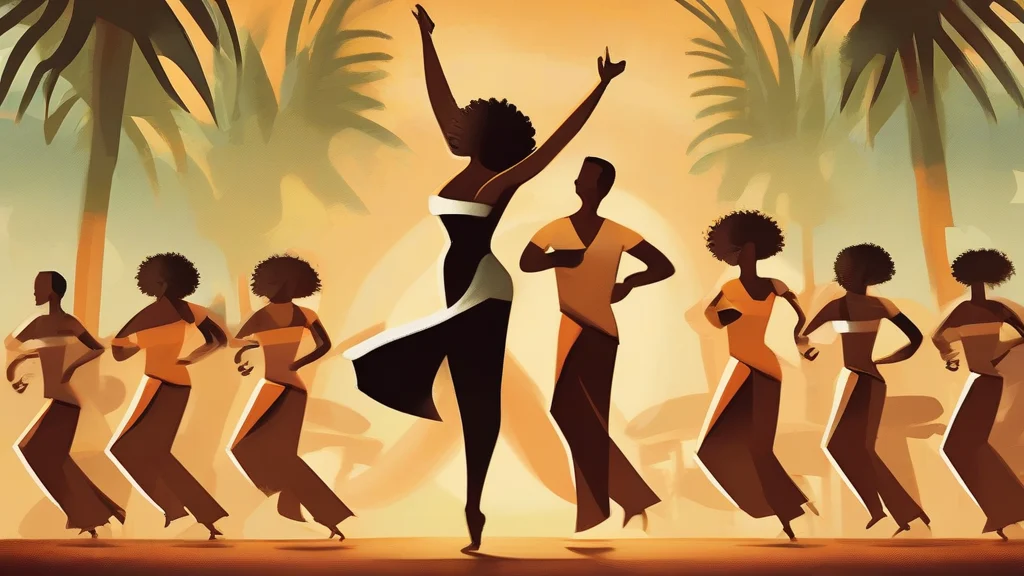
Samba is a Brazilian dance and music tradition noted for its lively rhythms, syncopation, and rhythmic movement. It developed from dances associated with Afro-Brazilian communities and became especially prominent in Rio de Janeiro, where it became closely tied with Carnival celebrations. Today, the term can refer to the dance itself, the musical style performed for it, an individual samba song, or the act of dancing samba. English speakers may also use the word more broadly for an energetic form of movement, although such usage is usually informal. Samba differs from closely related Brazilian traditions such as bossa nova, which incorporates samba-derived rhythms and jazz influences. In international music, fashion, education, and performance, samba is especially associated with Brazilian culture and is commonly taught through classes, festivals, and choreographed events.
A Brazilian dance and musical tradition, or a song, performance, or event in that style.
"The musicians performed a samba on the final night of Carnival."
The word can denote the music, the dance, or an individual samba; the plural sambas is standard for countable uses.
To dance samba.
"They sambaed until the music stopped."
This verb is informal and is more common in speech and descriptive writing than in formal registers.
Sambas is the standard plural for individual songs, dances, or performances; samba is also commonly used as an uncountable name for the broader music and dance tradition.
"The band performed several sambas during the celebration."
Samba grew from the streets and celebrations of Rio de Janeiro into one of Brazil's defining cultural exports and a global celebration of rhythm and movement.
Reviewed by Deb Chak, Editor. AI-assisted content curated by RJS Tech Solutions LLP.
Where does samba come from?
The English word comes through Portuguese, where samba names a Brazilian dance tradition. It is closely related to the Portuguese term semba, used for a music and dance style associated with Angola, and to related forms in Portuguese such as sambista and sembeiço. These words reflect the historical movement and interchange of African and Portuguese musical terminology between Angola and Brazil.
Related word forms
How samba is actually used
In noun use, samba may refer to the dance, the music, or a particular song or performance. The verb is informal and less common in formal writing.
Easily confused with samba
Samba is a Brazilian dance and music tradition, whereas sambal is a spicy Southeast Asian sauce or dish.